

How to carry out routine spare tire maintenance?
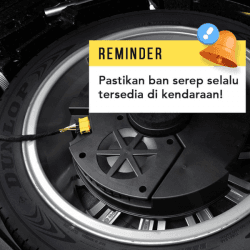
The spare tire is often overlooked by many drivers, even though it plays a very important role in an emergency. When the main tire is damaged in the middle of the road, the spare tire is a lifesaver that allows you to continue your journey or at least get to the nearest repair shop. Therefore, it is important to ensure that your spare tire is always in good condition. In this article, we will discuss how to carry out routine spare tire maintenance, from checking the air pressure to cleaning the tire regularly.
Check the Air Pressure Periodically
One of the most important aspects of maintaining a spare tire is ensuring that the air pressure is always within the limits recommended by the car manufacturer. A spare tire that is under-inflated will not be effective when used and can potentially endanger your safety on the road because proper air pressure in the tire not only increases driving comfort, but also ensures that the tire can support the weight of the vehicle properly.
A spare tire that is too flat can cause the tire to quickly become damaged or even burst when used. On the other hand, tires that are too hard can also cause an uncomfortable ride and have the potential to damage the vehicle's suspension.
How to Check Spare Tire Pressure
-
Use a Pressure Gauge (Pressure Gauge)
You can use a digital or manual tire pressure gauge to check the air pressure. Make sure to check the spare tire pressure at least once a month, or before you go on a long trip.
-
Pay attention to the temperature
Temperature can affect the air pressure in the tires. Wind pressure tends to decrease in cold weather and increase in hot weather. Therefore, check the air pressure when the tires are at room temperature to get accurate results.
-
Conform to Vehicle Manufacturer Recommendations
Each vehicle has a different recommended air pressure for its spare tire. Typically, this information can be found in the vehicle manual or on the inside of the right driver's door.
If the air pressure in your spare tire is not appropriate, this can cause various problems. Tires with too low a pressure can cause the tires to wear unevenly, increase fuel consumption, and increase the risk of tire damage. Meanwhile, pressure that is too high can also cause uneven wear, reduce tire traction and make driving uncomfortable.
Check Tire Tread Condition
Apart from air pressure, the tread condition of the spare tire also needs to be checked regularly. Worn or damaged treads can reduce the effectiveness of the spare tire, especially in wet or slippery road conditions.
The tread of the tire functions to provide grip on the road surface. Tire treads that are still high and in good condition will provide better traction, especially in bad weather conditions such as rain. On the other hand, worn treads will make the tires slip more easily and increase the risk of accidents.

How to Check Tire Tread Condition
-
Use a Palm Depth Measuring Tool or Check the TWI Triangle
A tire tread depth measuring tool can help you find out how deep the tread remains on the spare tire. The recommended minimum depth is 1.6 mm, but it is best to replace the tire when the tread depth reaches 3 mm for extra safety. However, if you don't have a tread depth measuring tool, you can check the TWI (Tread Wear Indicator) triangle on the tire.
To do this, look for the small triangle symbol on the side of the tire that marks the location of the wear indicator in the tread groove. Check the tire tread depth at that point; If the tread surface is parallel or lower than the TWI indicator, the tire has reached its wear limit and must be replaced immediately.
-
Visually Check
Apart from using measuring tools, you can also do a visual inspection. Look for signs of uneven wear, cracks, or sharp objects that may be caught in the tire tread.
-
Spare Tire Rotation
To ensure even tire tread wear, rotate the tires regularly. If possible, you can include a spare tire in this rotation so that the tread does not experience deformation (change in shape) due to not being used for too long.

A spare tire with worn tread will not provide optimal traction, especially in slippery road conditions. This could cause your vehicle to lose control and increase the risk of an accident. Therefore, it is important to always ensure that the tread of your spare tire is in good condition before use.
Store Tires in a Dry Place
The way you store your spare tire also affects the condition of the tire. Improper storage can cause tires to become damaged quickly, especially if the tires are exposed to environmental conditions that are not ideal.
Moisture and exposure to direct sunlight can damage the rubber material in tires, causing the tires to become hard and crack. This condition can make the tire unfit for use, even if the tire is rarely used.
Tips Storing Spare Tires Correctly
-
Keep in a Closed Place
Make sure the spare tire is stored in a place protected from direct sunlight and rain. Storage in the trunk or under the vehicle with a good cover can help protect the tires from the weather elements.
-
Maintain Air Circulation
Even though it must be stored in a dry place, make sure there is sufficient air circulation to prevent moisture buildup around the tires.
-
Storage Position
If you store your spare tire in the trunk, make sure it is not in a position that could cause deformation. If tires are stored vertically, rotate them periodically to avoid excessive pressure at one point.
Storing a spare tire in a damp place or exposed to sunlight can cause the tire to become hard, crack, or even lose its elasticity. This can make the tire unsafe to use when you need it. Proper storage will help your spare tire stay in top condition.
Clean Tires Regularly
Even though the spare tire is rarely used, that doesn't mean you can ignore its cleanliness. Cleaning the spare tire regularly is an important part of tire maintenance that will help keep the tire in optimal condition.
Dust, dirt and other substances that stick to tires can cause material degradation if left for too long. Accumulated dirt can also hide minor damage such as cracks or punctures that need to be treated immediately.
How to Clean a Spare Tire Properly
-
Use Water and Soap
To clean the spare tire, just use water and mild soap. Avoid using a brush that is too rough so as not to damage the surface of the tire.
-
Check After Cleaning
After cleaning the tires, check them for signs of damage such as cracks, bumps, or punctures. Make sure you check the condition of the tires thoroughly.
-
Dry Properly
After cleaning, make sure the tires are dried properly before storing them again. Any remaining moisture can cause mold or other damage to the tire.
If the spare tire is not cleaned regularly, dirt and other substances can cause long-term damage to the tire. Accumulated dirt can cause a decrease in rubber quality, speed up the aging process, and cover up minor damage that should be treated immediately. By cleaning your tires regularly, you not only keep your spare tire clean, but also ensure that it is always ready for use in an emergency.
Spare tire maintenance may often be forgotten, but it is very important to ensure that the tire is in optimal condition when you really need it. Remember, the spare tire is an important part of your vehicle's safety system. Taking good care of your spare tire is not only about maintaining the condition of the tire itself, but also about maintaining the safety of you and your passengers while driving.
So, take a little time each month to perform this simple tire maintenance, and you'll have the peace of mind that your spare tire is ready to go whenever needed. Apart from following the various tire maintenance tips above, it would be a good idea if you also choose a quality tire to be your car's spare tire.
Not only must the main tire be of high quality, the spare tire which is only a spare must also be of good quality. Make sure your car's spare tire is of high quality, such as Dunlop tires. Dunlop Enasave EC300+ tires will be the perfect tire because they provide optimal comfort when using fuel, so you can save more energy when driving
Make sure your spare tire is always in ready-to-use condition by carrying out routine maintenance. By maintaining your spare tire regularly, you can ensure the safety of your trip. A ready-to-use spare tire will provide peace of mind when facing emergency situations on the road. Find a variety of the latest information from Dunlop, tips, tire recommendations, and information about vehicles and the community on the website and Dunlop Indonesia's official social media.
oOo
Reference(s):
https://oto.detik.com/mobil/d-7411823/cara-menyimpan-dan-merawat-ban-serep-mobil-agar-tetap-awet