

Car Warning Light Meanings and How to Deal With Them
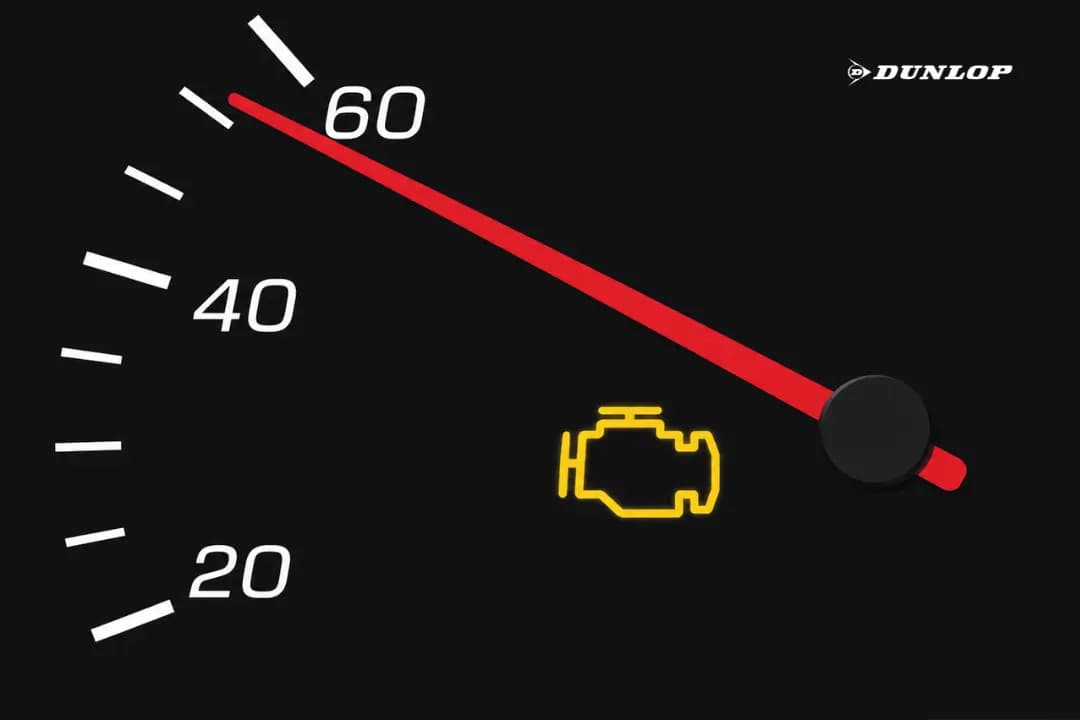
Car warning lights are signals that appear on the dashboard to inform you about your vehicle’s condition. These lights can indicate a system that is currently active, a component that needs checking, or a fault that requires immediate attention.
For drivers, understanding what each warning light means is important because every symbol has a different function. Some indicators are simply reminders, such as the seat belt or low fuel warning. Others, however, relate to critical components such as the engine, battery, oil, brakes, and engine temperature.
When a light comes on in the dashboard, drivers should not panic right away, but they should not ignore it either. By knowing what each indicator means, drivers can decide whether the car is still safe to drive or needs to be stopped for further inspection.
The Function of Car Warning Lights
Car warning lights serve as an early warning system that helps drivers monitor their vehicle’s condition. The system works through sensors connected to various components, from the engine, electrical system, lubrication, and cooling system to the brakes.
When the ignition key is turned on, several warning lights usually come on briefly and then turn off again. This is normal because the vehicle is running an initial system check. However, if a light stays on after the engine starts or appears while the car is moving, it means something needs attention.
In general, the color of a warning light also hints at its level of urgency. Red lights usually indicate a condition that needs to be dealt with immediately. Yellow or amber lights indicate a fault that should be checked. Meanwhile, green or blue lights generally just tell you that a certain feature is active.
What the Check Engine Light Means
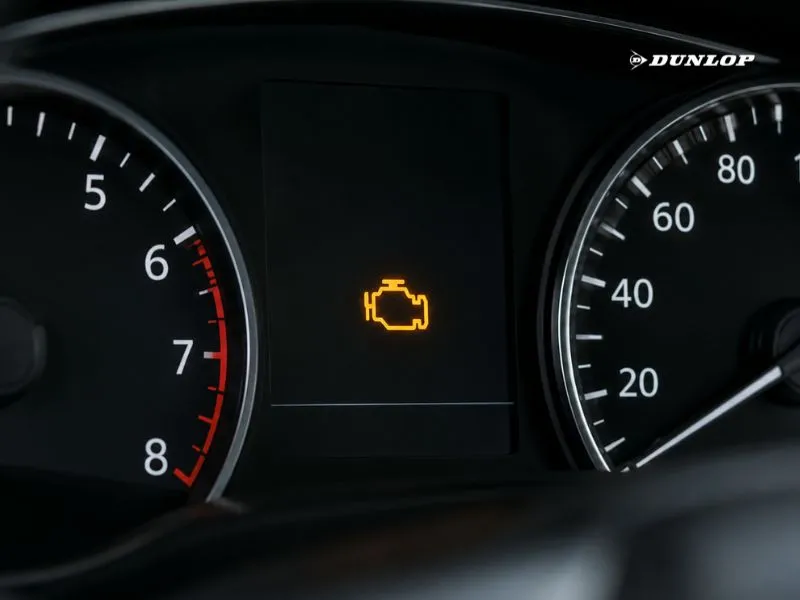
The check engine light is usually shown as an engine symbol. When this light comes on, the vehicle’s system has detected a problem with the engine, combustion, sensors, or emissions system.
The causes can vary. In minor cases, the light may come on because the fuel cap is not tightly closed. In other cases, the cause may be related to the oxygen sensor, spark plugs, ignition coil, injectors, or other components that affect engine performance.
If the check engine light stays on steadily and the car still feels normal, you can drive slowly to the nearest workshop. However, if the light is flashing, the engine is vibrating, power drops, or you hear unusual noises, pull over in a safe place as soon as possible and turn off the engine.
Diagnosing a check engine light usually requires a scan tool to read the fault codes. That is why drivers should avoid guessing the cause without a proper inspection.
Battery Warning Light
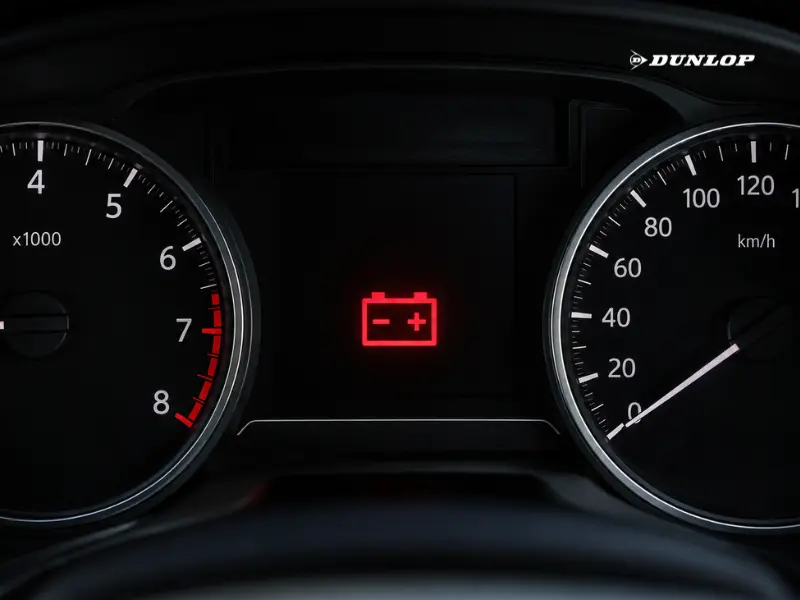
The battery warning light usually looks like a battery. If this light comes on while the engine is running, there is likely a problem with the car’s charging system.
The cause may be a weakening battery, a faulty alternator, loose cables, or dirty electrical connections. If the charging system is not working properly, the battery will not receive enough power. As a result, the car may suddenly stall and be difficult to restart.
When the battery light comes on, reduce the use of non-essential electrical components such as the audio system, additional chargers, or cabin lights. Then take the vehicle to a workshop as soon as possible to have the battery, alternator, and electrical wiring checked.
Oil Warning Light
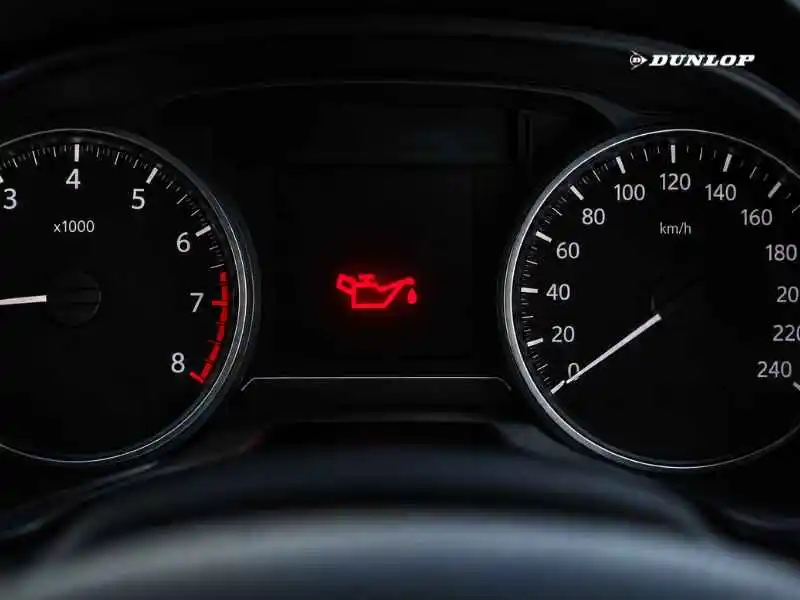
The oil warning light usually looks like an oil can. This is one of the most important indicators because it is directly related to the engine’s lubrication system.
If the oil light comes on, the oil pressure may be too low, the oil level may have dropped, there may be a leak, or there may be a problem with the oil pump. This condition should not be ignored because the engine needs oil to reduce friction between its components.
When the oil light comes on, pull over in a safe place right away and turn off the engine. Once the engine has cooled down, check the oil level using the dipstick. If the oil is low, top it up with oil that matches your vehicle’s specifications.
However, if the light stays on after adding oil, do not force the car to keep running. It is safer to contact a workshop or towing service, as damage to the lubrication system can seriously affect the engine.
ABS Warning Light
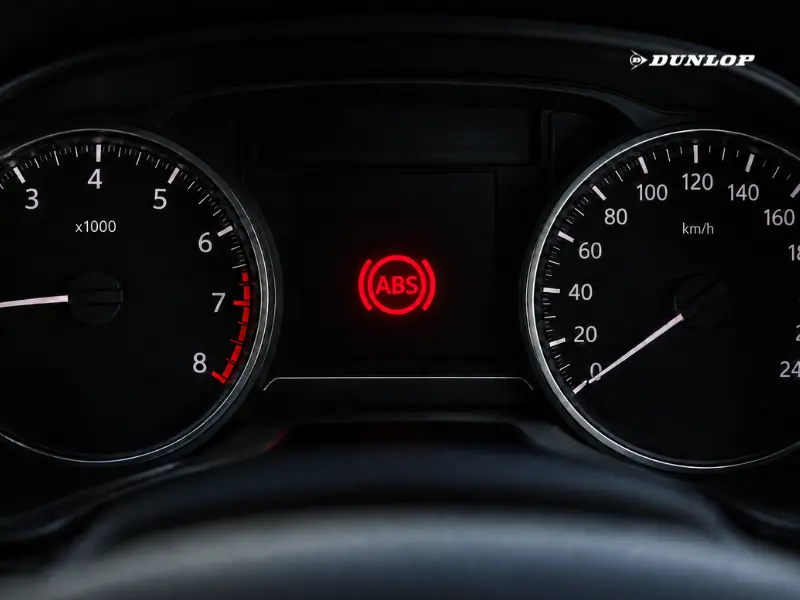
ABS stands for Anti-lock Braking System. This system helps prevent the wheels from locking up during sudden braking, especially on slippery or wet roads.
If the ABS light comes on, there is a problem with the system. In some cases, the main brakes can still be used, but the ABS feature may not work optimally. This means drivers need to be more careful when braking, especially in less-than-ideal road conditions.
The ABS light may be caused by a dirty wheel sensor, a faulty sensor cable, or a problem with the ABS module. Since it is related to safety, have it inspected at a workshop as soon as possible so the braking system keeps working properly.
Engine Temperature Warning Light
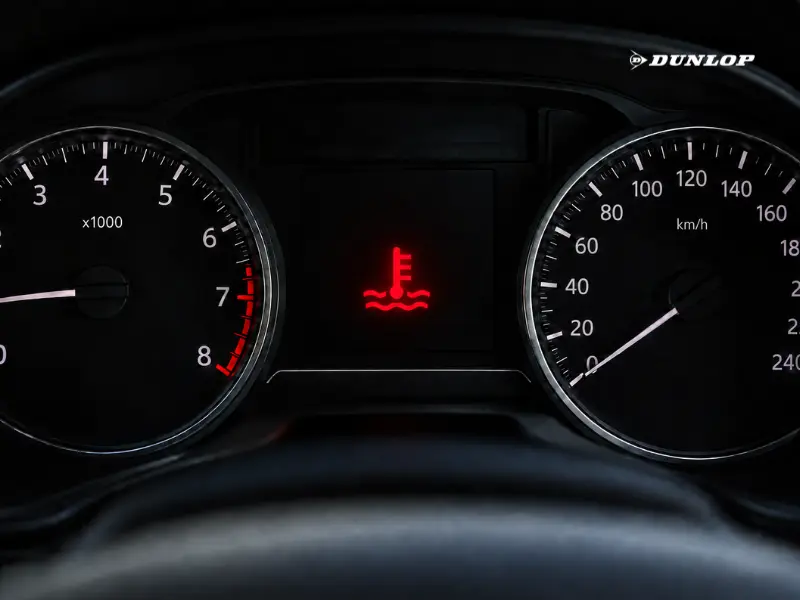
The engine temperature warning light usually looks like a thermometer with waves of water. If this light turns red, the engine temperature is too high or the engine is overheating.
Overheating can be caused by low coolant, a faulty radiator fan, a clogged radiator, a leaking hose, or a problem with the thermostat. If left unchecked, this condition can damage engine components.
When the engine temperature light comes on, reduce the load on the vehicle right away, turn off the air conditioning, and pull over in a safe place. Do not open the radiator cap while the engine is still hot, as hot steam and fluid may spray out.
Wait until the engine has cooled down, then check the coolant level in the reservoir. If it is low, top it up as needed. However, if the light comes on again after you start driving, stop your trip and have the car inspected further.
Why Dashboard Warning Lights Come On
Dashboard warning lights can come on for several reasons. One of the most common is that a sensor detects a problem with a certain component. The sensor then sends a signal to the vehicle’s system, which displays a warning on the dashboard.
Another cause is an electrical issue, such as loose cables, dirty sockets, a weak battery, or an alternator that is not working normally. Problems like these can trigger the battery light, the engine light, or other indicators.
Warning lights may also appear when a vehicle component needs maintenance. For example, the oil level has dropped, the coolant is below the normal level, the brake pads are wearing thin, or the tire pressure is incorrect.
In cars equipped with a tire pressure monitoring system, the tire pressure light may come on when one or more tires are underinflated. Low tire pressure can affect comfort, stability, fuel consumption, and tire life.
Since the causes can vary, drivers should not simply turn off the engine and ignore the warning. If the light stays on, check it according to the vehicle’s owner’s manual or visit a trusted workshop.
Understanding warning lights should also go hand in hand with maintaining other components that support driving safety, including tires. For example, knowing which tread pattern suits daily use can help maintain comfort and vehicle control.
What Drivers Should Do
When a warning light comes on, the first step is to pay attention to its color and symbol. Red usually requires immediate action, while yellow or amber means the vehicle should be checked soon.
If the light is related to oil, engine temperature, battery, or brakes, slow down right away and find a safe place to pull over. Turn off the engine if necessary, especially if the oil or engine temperature light is on.
Once the vehicle has stopped, carry out simple checks if possible. Check the oil level, coolant, battery condition, and tire pressure. For indicators related to electronic systems or the engine, it is best to have the car inspected with a diagnostic tool at a workshop.
Drivers are also advised to read the vehicle’s owner’s manual. Every car may display its indicators differently, so the official manual can help you understand each symbol more accurately.
In addition, have your car serviced regularly according to schedule. Routine inspections help detect problems before a warning light comes on and before the damage becomes more serious.
Conclusion
Car warning lights serve as an early warning so that drivers can quickly learn about their vehicle’s condition. Indicators such as the check engine, battery, oil, ABS, and engine temperature lights have different meanings, so they need to be handled differently.
If a warning light is red or the car starts to feel abnormal, stop in a safe place right away and have it checked. Do not force your trip if the warning is related to oil, engine temperature, or the braking system.
Besides paying attention to dashboard warning lights, tire condition should also be checked regularly. Tires that are worn, underinflated, or unsuited to your vehicle’s needs can affect comfort, stability, and driving safety.
For daily driving, DUNLOP Blue Response TG can be a relevant choice, as it is designed to support control, comfort, and travel efficiency. This tire is available for various types of vehicles, including sedans, city cars, MPVs, SUVs, and electric vehicles. Meanwhile, for SUV and crossover drivers, DUNLOP Grandtrek AT5 can be a great choice, as it is designed to deliver grip and driving comfort.