

Car Tires Noisy? Here Are the Causes and Solutions

Have you ever been puzzled by strange sounds coming from your car while driving? Sounds like rumbling, humming, or even metal-like scraping often come from underneath the car. For people who are familiar with the automotive world, identifying the source of these noises is relatively easy. But for most drivers, it can be both uncomfortable and potentially dangerous.
Rumbling noises can be caused by various factors, one of which is the tires. In this article, we’ll discuss the main causes of noisy tires, the long-term impact if left unchecked, and tips on choosing quiet tires.
Causes of Noisy Car Tires
Tire Tread Not Suitable for the Road Type
Each tread pattern is designed for specific road conditions. For example, off-road tires feature large and aggressive grooves to maximize grip on dirt or uneven terrain. If used on smooth asphalt roads, they can produce loud noise due to excessive friction.
On the other hand, city or highway tires typically have denser, softer tread patterns that minimize noise while maintaining stability. Using the wrong tire type for your driving environment is one of the most common causes of noisy tires.
Incorrect Tire Pressure
Improper tire pressure—whether too high or too low—can also create noise. Overinflated tires become stiff, reducing their ability to absorb shocks, which results in louder road noise.
Meanwhile, underinflated tires become too soft, failing to absorb road vibrations effectively, which can cause rumbling or droning sounds, especially at higher speeds.
Worn-Out Tires
Worn or unevenly worn tires often produce humming or rumbling sounds. Leaving worn tires unchecked not only makes driving uncomfortable but can also accelerate damage to other components such as shock absorbers or wheel bearings.
This usually happens due to poor suspension, misaligned wheels, or tires unsuitable for the vehicle’s load.
(Read also: Causes and Types of Car Tire Wear You Should Know to learn more about uneven wear and how to identify it.)
Road Surface Conditions
Noisy tires are not always caused by the tires themselves. Rough, paved, or bumpy asphalt roads can also cause loud sounds as the tires rub against the surface. While you can’t completely avoid this, using the right tread pattern and maintaining proper tire pressure can help reduce the noise.
Long-Term Effects If Ignored
Faster Vehicle Component Damage
As explained above, noisy tires are often caused by improper air pressure, uneven tread wear, or suspension and wheel bearing issues. Ignoring these problems leads to excessive vibration and friction, which speeds up tire wear and damages bearings and suspension—ultimately reducing vehicle performance.
Reduced Driving Comfort
Driving is part of many people’s daily routine and should be comfortable. Loud tire noise adds stress, especially during long trips or highway drives. It can even disrupt communication and cause worry while driving.
Tips for Choosing the Right Tires
Pick Tires with Noise-Reducing Tread Patterns
The right tread design can minimize resonance and friction. Tires with smoother grooves and evenly distributed tread blocks are usually quieter. For example, the asymmetric tread pattern of the SP Sport LM705 helps reduce in-cabin noise while maintaining stability and optimizing airflow.
Use Touring or Comfort Tires
Touring and comfort tires are designed to provide long-lasting driving comfort. Their softer rubber compounds absorb vibrations and road noise better. If your car is mainly used for daily city driving or highway trips, this is the right choice.
Tires with Noise-Reduction Technology
Modern tires often feature advanced technology to reduce noise. These innovations usually involve special materials or tread designs that absorb or deflect sound waves, keeping the cabin quiet even at high speeds.
One example is Shinobi Technology, used in the Dunlop SP Sport LM705, which enhances quietness and vibration damping for a smoother ride on both dry and wet roads.
Ensure Correct Tire Size and Profile
Low-profile tires are currently popular. These tires have a low sidewall compared to their tread width. However, when fitted to large rims, they can make the cabin noisier because vibrations aren’t absorbed well. The solution is to follow the tire size and profile recommendations provided by your car manufacturer.
Choose Trusted Brands
Opt for tires from reputable manufacturers that are proven to deliver comfort and performance. Some brands dedicate years to developing noise-reducing technology. Dunlop, for example, is known for producing tires that combine durability, comfort, and quietness.
The Best Quiet Tire: SP Sport LM705
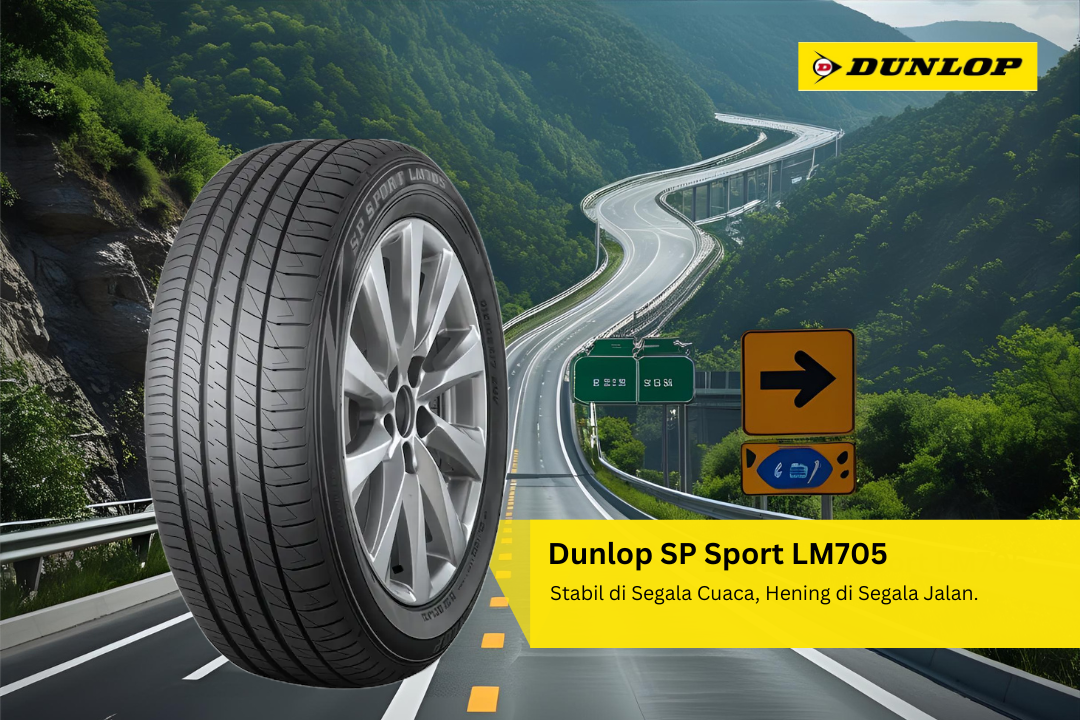
If you want a peaceful and comfortable driving experience, the SP Sport LM705 is the right choice. Its asymmetric tread pattern helps dampen noise and improve ride comfort.
Powered by Shinobi Technology, this tire delivers optimal quietness, superior vibration absorption, and reliable performance on both wet and dry roads—perfect for Indonesia’s tropical climate.
The Dunlop LM705 is the ideal choice if you want a calm, comfortable journey without sacrificing tire performance.
Check Your Tires Regularly
Noisy tires are more than just an annoyance—they can signal underlying problems. Always check air pressure, tread pattern, and tire wear. If your tires have become noisy, it may be time to switch to a quieter option for a more comfortable drive.
For more information about Dunlop products and the nearest Dunlop Shop, click here. With Dunlop’s high-quality tires, you can enjoy a smooth and quiet journey.
References:
- https://otomotif.kompas.com/
- https://www.gridoto.com/