

Motorcycle Tires Often Puncture? Here Are Common Causes You Need to Know
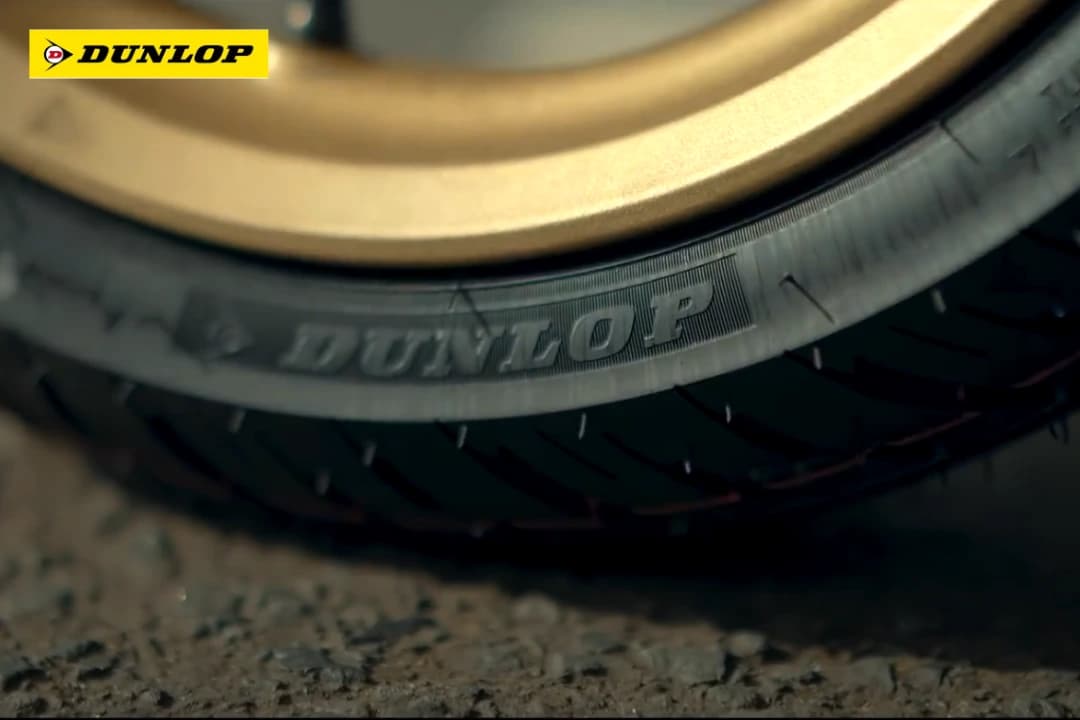
Why Do Motorcycle Tires Often Lose Air Without Clear Reason?
Drivemate, have you ever experienced a situation where your motorcycle tire suddenly loses air pressure without a clear reason? Or maybe you feel like you need to patch your tire too often, even though the routes you travel daily aren’t extreme? This is one of the most common complaints from motorcycle riders in Indonesia. Many immediately blame nails as the culprit. However, the truth is that there are many other reasons for tire punctures, some of which are not immediately obvious.
A flat tire is not just an inconvenience but also a safety risk. A tire with low air pressure can lead to accidents due to the drastic loss of vehicle stability. This article will discuss various causes of motorcycle tire punctures, from the most common to the ones that are often overlooked. By understanding the possible causes, Drivemate can be more cautious and take the right preventive actions!
Why Should We Care About Flat Tires?
Tires are the only part of the vehicle that directly contacts the road. This means that tires play a crucial role in safety, comfort, and efficiency while riding. A flat tire left unchecked can damage the rim, make the vehicle hard to control, and increase fuel consumption.
Additionally, frequently punctured tires could indicate other issues with the vehicle's system. Therefore, it is essential to identify the cause to take quick and appropriate action.
1. Punctured by Sharp Objects
Explanation:
This is the most well-known cause of flat tires. Nails, screws, shards of glass, and other sharp objects can easily penetrate the tire surface, especially if the tread is worn down.
Impact:
- Instant deflation or sudden flat tire
- Slow leaks (gradual deflation that often goes unnoticed until the pressure is very low)
Prevention:
- Avoid routes that seem dirty or full of debris
- Regularly check tire pressure and condition
2. Damaged Valve Stem
Explanation:
Many riders don’t realize that the valve stem can also break. The valve is responsible for keeping the air pressure inside the tire stable. If the valve leaks, air will escape even if the tire itself is in good condition.
Signs:
- The tire feels soft even shortly after inflation
- Bubbles appear around the valve when tested with soapy water
Solution:
- Replace the valve stem regularly, especially when changing the tires
- Always use a valve cap to protect it from dust and moisture
3. Worn or Cracked Tires
Explanation:
Tires used for long periods will wear out. Incorrect air pressure, whether too low or too high, can cause uneven wear and reduce grip. Additionally, small cracks in the tire sidewall can lead to slow leaks without being noticed. Even tires that seem fine on the outside may have dangerous internal damage. Regular inspection of your tires is important for safety and comfort.
Signs:
- Worn tread (bald spots)
- Small cracks on the sidewalls
- Tires feel hard and inflexible
Impact:
- Easier puncture by sharp objects
- Rapid loss of air pressure
Prevention:
- Regularly check tire pressure according to the manufacturer's recommendations to prevent uneven wear.
- If small cracks appear on the tread or sidewalls, replace the tire immediately for safety and comfort.
- Check the Tread Wear Indicator (TWI) to inspect the tire's wear signs.
4. Uneven or Bent Rims
Explanation:
Imperfect rims can create gaps between the tire and the rim, especially in tubeless tires. These gaps can cause slow leaks of air.
Causes:
- Hitting potholes at high speed
- Falling or hitting curbs
Signs:
- Air leaking from around the rim
- Tires can't maintain maximum air pressure
Solution:
- Repair the rim at a professional workshop
- Replace the rim if the damage is severe
5. Incorrect Tire Pressure
Explanation:
One of the most common yet often overlooked mistakes is not maintaining the correct tire pressure. A tire with low pressure will create more friction with the road, causing it to wear out faster. On the other hand, a tire with too much air pressure will become stiff and is more likely to burst when hitting rough terrain. Always ensure that your tire pressure is within the recommended range for a safe and comfortable ride.
Effects:
- Rapid wear of the tire surface
- Increased risk of punctures, especially in hot conditions
Tips:
- Check tire pressure at least once every 1-2 weeks
- Adjust tire pressure based on the tire type and bike load
6. Poor Quality Tires
Explanation:
Tires made from low-quality materials tend to tear or crack more easily because they lack good resistance to heat, pressure, and load.
Signs:
- Tires wear out quickly even with minimal use
- Cracks appear within a few months
Solution:
- Choose tires from reputable manufacturers or trusted brands like Dunlop
- Avoid buying used or counterfeit tires
7. Overloading the Motorcycle
Explanation:
Carrying a load that exceeds the recommended weight limit will significantly increase the air pressure inside the tires. As a result, the tire heats up more, and its internal structure weakens.
Effects:
- Sudden tire blowout
- Sidewall rupture
Tips:
- Follow the vehicle’s maximum load specifications
- Use tires with an appropriate load index
8. Rough Riding Habits
Explanation:
Frequently hitting potholes, driving at high speeds on damaged roads with the wrong type of tires, or sudden braking can cause structural damage to the tires.
Prevention:
- Ride smoothly
- Reduce speed when crossing rough roads
Frequently Asked Questions About Flat Tires
Do Tubeless Tires Never Puncture?
Not always. Tubeless tires are indeed designed to be stronger and more puncture-resistant compared to tube-type tires, which have an inner tube. However, tubeless tires can still puncture if struck by sharp objects, suffer damage to the rim, or have worn-out tread.
Does Frequent Patching Damage the Tire Structure?
Patching a tire is a quick fix for a puncture, but if done too often or incorrectly, the tire walls may weaken and become prone to further punctures. If your motorcycle tire continues to puncture despite several patches, it's best to replace the tire to maintain safety and comfort.
Tips to Maintain Motorcycle Tires and Avoid Punctures
- Regularly check tire pressure
- Clean the tire surface from debris after use
- Avoid carrying excessive weight (overloading)
- Use high-quality tires from trusted brands
Recommended Motorcycle Tires for You
Dunlop understands the importance of safety and comfort while riding. That’s why we offer a variety of high-quality motorcycle tires designed with advanced technology, maximum durability, and optimal traction for all road conditions. With Dunlop tires, you can ride confidently without worrying about frequent punctures.
Here are some Dunlop tire recommendations for you to consider based on your needs and riding style:
1. Dunlop Sportmax Q-Lite
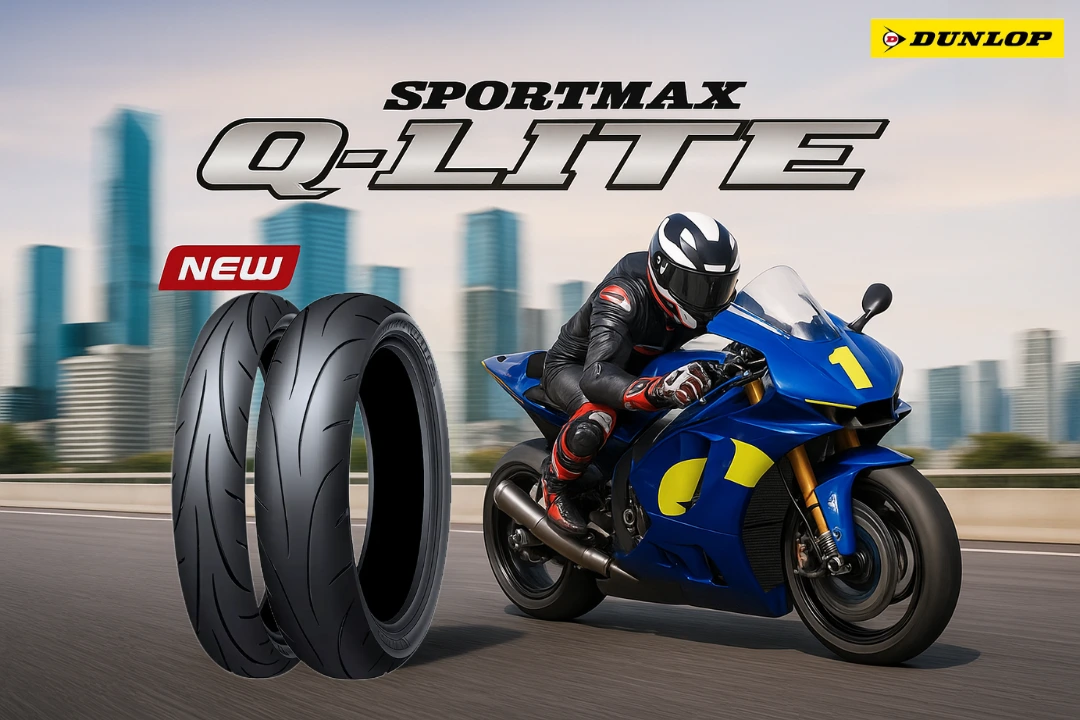 Perfect for those who love speed and high performance on asphalt. With optimal grip, this tire offers excellent stability and control while cornering, along with good wear resistance.
2. Dunlop Scootsmart 2
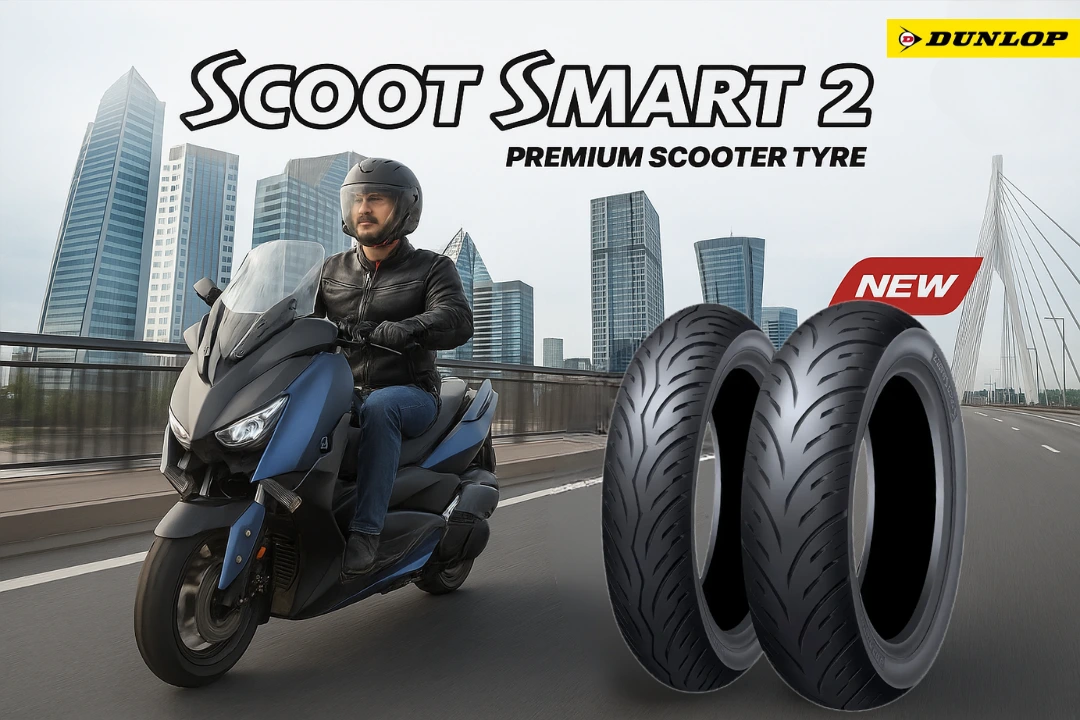 Ideal for daily scooter riders in urban areas. This tire is designed for comfort and fuel efficiency, with a tread pattern that efficiently channels water in rainy conditions, reducing the risk of slipping and punctures due to uneven pressure.
3. Dunlop TT93 GP
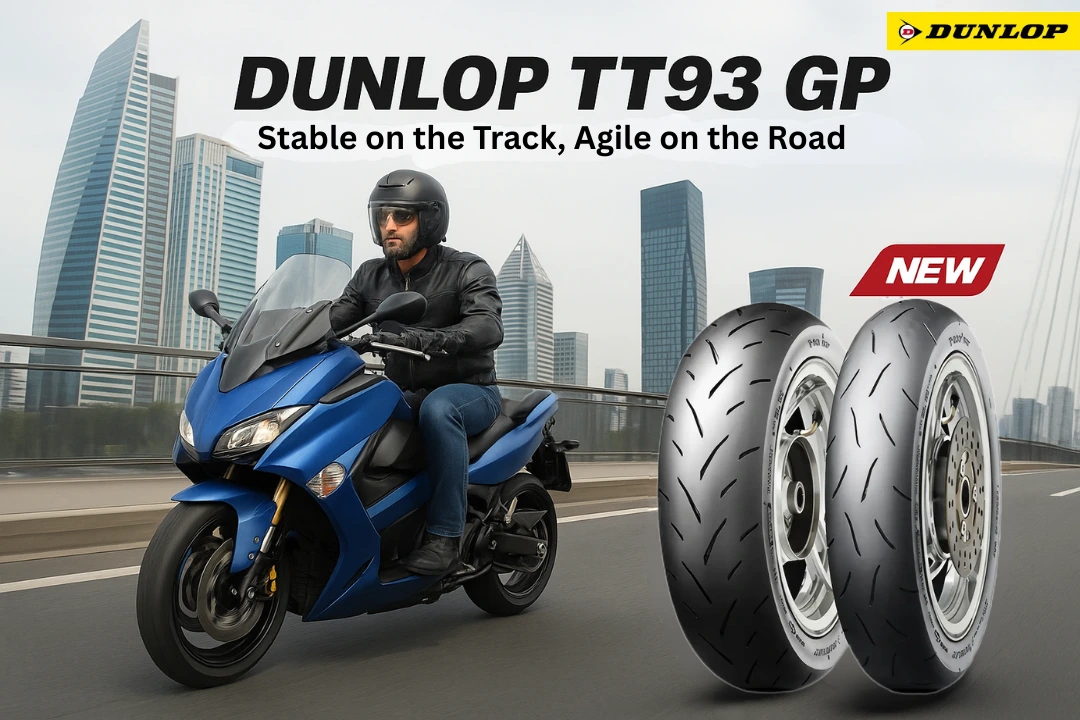 Recommended for riders who enjoy racing or high-speed riding. Designed with racing technology, this tire provides exceptional grip and high stability at various speeds without sacrificing durability.
4. Dunlop Geomax MX34
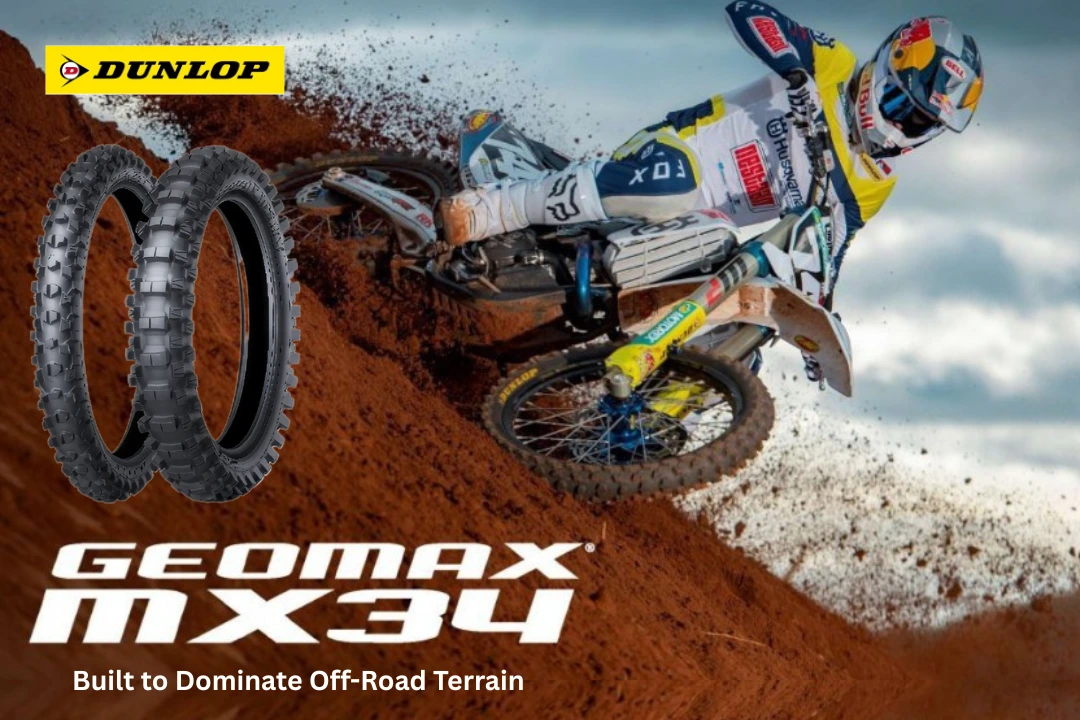 For those who frequently explore off-road or rugged terrains, this series is the best choice. Made with a special tread pattern for maximum traction on dirt, mud, and gravel, as well as high durability against impacts.
With the right Dunlop tires, not only will you minimize the risk of flat tires, but you will also enhance safety, efficiency, and comfort during your ride.
Conclusion
A flat tire is not just a minor inconvenience but can become a major issue if left unaddressed. From sharp object punctures, damaged valve stems, to improper riding habits—any of these can cause your motorcycle tire to deflate. By understanding the causes and performing routine tire maintenance, you can minimize the risks and ensure a comfortable and safe riding experience.
Visit Dunlop’s website to see our full catalog of the best motorcycle tires, or visit your nearest Dunlop Shop to consult with an expert technician to find the right product for your needs. Let’s start your #UnlimitedJourney, Drivemate!