

How to Read the Codes on Your Car Tires
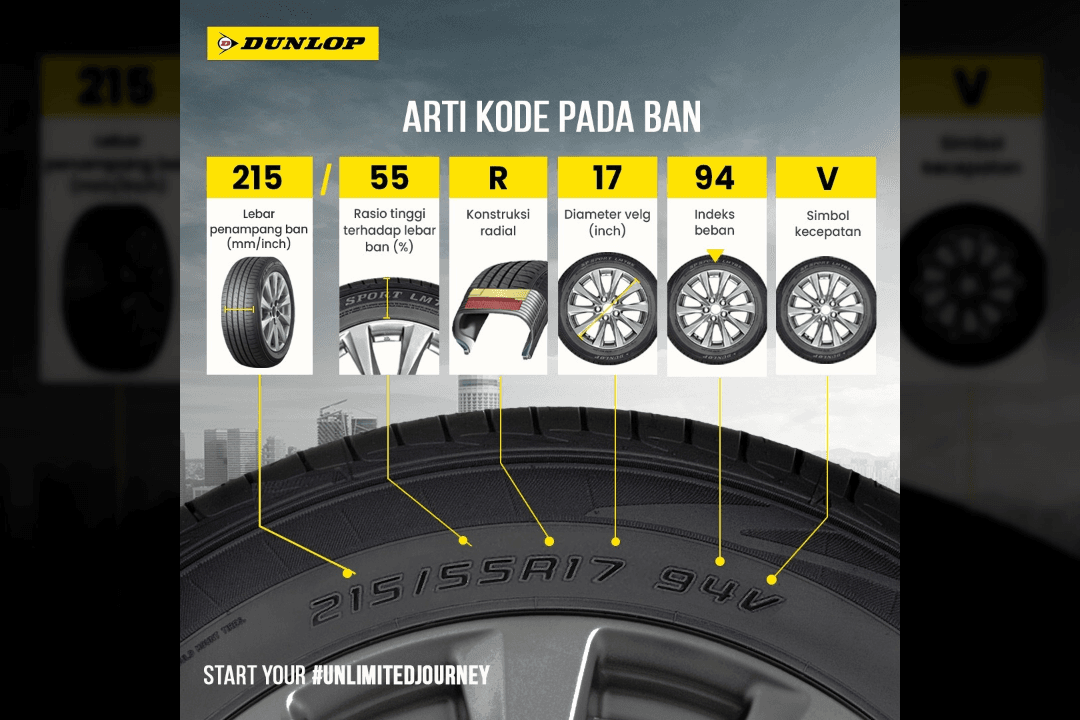
Knowing how to read the tire codes on your car is an important skill that can enhance your understanding of vehicle specifications and ensure driving safety. The codes on tires are not just random numbers and letters; they contain important information about the size, type, and characteristics of the tire. In this article, we will explain in detail how to read these codes and the importance of choosing tires that fit your needs, such as trusted Dunlop tires.
Why Is It Important to Understand Tire Codes?
Tire codes contain important information such as:
- Tire Size (diameter, width, and aspect ratio)
Explanation: Tire size refers to the physical dimensions of the tire that affect vehicle performance. For example, the code "205/55R16" means the tire width is 205 mm, the aspect ratio is 55%, and the rim diameter is 16 inches. This size is important to ensure the tire matches the vehicle specifications.
Example: If your car uses tires with this code, replacing them with wider tires like 225/50R16 can improve traction but may affect fuel efficiency. - Speed Index and Load Capacity
Explanation: The speed index indicates the maximum speed the tire can handle, while the load capacity shows the maximum weight it can support.
Example: The code "91V" means the tire can carry up to 615 kg per tire and is rated for speeds up to 240 km/h. This information is crucial to ensure the tire can handle your driving conditions. - Tire Production Date
Explanation: The production date consists of 4 digits; the first two digits indicate the week, and the last two digits indicate the year.
Example: The code "0323" means the tire was produced in the 3rd week of 2023. - Tire Construction Type
Explanation: The letter "R" in the tire code indicates radial tubeless construction, which is the most common type for modern vehicles. This construction offers better stability and durability.
Example: Radial construction in a 205/55R16 tire makes it more heat resistant at high speeds compared to diagonal construction tires. - Special Codes for Specific Road Conditions
Explanation: Codes like "M+S" (Mud & Snow) indicate the tire is designed for optimal performance on mud and snow, suitable for rough terrain or rainy seasons. - Certification Codes
Explanation: Codes like "DOT" indicate the tire meets the U.S. Department of Transportation safety standards. This code also includes information about the factory and production location.
Example: The code "DOT X1 0323" means the tire was produced at factory "X1" in the 3rd week of 2023. This helps verify tire authenticity.
Benefits of Understanding These Codes
By understanding these codes, you can:
- Choose tires that match your vehicle specifications. For example, if your vehicle requires 205/55R16 tires, make sure to select the same size or a properly adjusted conversion to maintain optimal performance. Using incorrect tires can reduce stability and comfort.
- Improve fuel efficiency. Tires that match vehicle specifications have optimal rolling resistance, which can enhance fuel economy.
- Ensure safety while driving. Understanding load and speed indexes helps ensure the tires can handle your vehicle’s weight and speed without risk of damage.
- Enhance driving comfort. Choosing the right tires reduces vibration and noise, making your driving experience more pleasant.
- Optimize vehicle control. Properly coded tires provide better traction, especially on wet or difficult roads, aiding vehicle handling.
- Increase tire lifespan. Tires that fit your vehicle’s specifications tend to last longer because they are not forced to operate beyond their limits.
- Save on vehicle maintenance costs. Proper tires reduce the risk of damage to other vehicle systems like suspension or brakes, which are often affected by tire quality and condition.
How to Read Tire Codes on Your Car
Tire codes are usually printed on the tire sidewall and consist of a combination of numbers and letters. Here is an explanation of each part:
Example Code: 205/55R16 91V
- 205: Tire width in millimeters.
- 55: Aspect ratio, the height of the tire sidewall as a percentage of the width.
- R: Tire construction type (R = Radial).
- 16: Rim diameter in inches.
- 91: Maximum load index (refer to load index tables).
- V: Maximum speed rating (refer to speed rating tables).
Tire Production Date
Besides size codes, tires have a production code of 4 digits, e.g., 0323:
- 03: 3rd week of the year.
- 23: Year 2023.
Additional Codes
- M+S: Tires for mud and snow, suitable for off-road or heavy rain conditions.
- DOT: Indicates compliance with U.S. Department of Transportation safety standards, including manufacturer and production location info. For example, "DOT X1 0323" means produced at factory "X1" in the 3rd week of 2023.
- XL (Extra Load): Indicates the tire is designed to carry heavier loads than standard tires of the same size.
- E4: Certification for use in Europe.
Understanding these details helps you select the right tires for your needs and ensures your vehicle remains safe and comfortable to drive.
Tire Maintenance Tips for Optimal Performance
To keep your car tires durable and functioning optimally, apply these tips:
- Regularly check air pressure: Ensure it matches manufacturer recommendations. Low pressure can cause faster wear and higher fuel consumption.
- Rotate tires periodically: Rotate every 10,000 km to ensure even wear and extend tire life.
- Avoid overloading: Excess weight can damage tire structure and increase the risk of blowouts.
- Clean tires regularly: Remove dirt like mud or small stones lodged in the tread to prevent damage.
- Check tread depth: Replace tires promptly when reaching the tread wear indicator (TWI) to avoid slipping and skidding.
Dunlop Tire Specifications
As a leading brand, Dunlop offers various tire types with clear and transparent specifications. Dunlop products are designed to meet driving needs on diverse road conditions. By understanding Dunlop tire codes, you can more easily choose the right tires for your vehicle.
Conclusion
Understanding how to read tire codes is an important step to ensure safety, comfort, and efficiency while driving. Tire codes provide essential information that helps you select tires suitable for your vehicle. For quality and trust, choose Dunlop tires, which always prioritize performance and safety.

Choose Smart Tires, Choose Dunlop
Visit the Dunlop Indonesia website for more information about the best tire products and specifications for your vehicle!