

When is the Right Time to Change Your Motorcycle Tires? Recognize These 6 Signs!
Drivemate, have you ever felt that your motorcycle seemed unstable, even though the engine is in good condition? Be careful, as this could be due to your tires being no longer optimal for use. In fact, tires are one of the most important components but are often overlooked by most riders. Without good, optimal-condition tires, no matter how advanced the braking technology is, it will not perform at its best.
It’s important to know that the performance of your tires significantly affects the comfort and safety of your ride. On the road, many riders tend to delay replacing their tires because the tread doesn’t seem to be worn down or “bald.” However, there are many other signs that show your motorcycle tire may no longer be safe for use.
This article will help you recognize the signs when you need to replace your tires, the risks of delaying the replacement, and tips on choosing the right tire. We’ll also address common questions like, “Can you use a used tire?” or “Can a tubeless tire be patched multiple times?” Keep reading, Drivemate!
6 Signs Your Tires Are No Longer Safe to Use:
- Worn Tire Tread:
Drivemate, you should know that worn tires have reduced grip, especially on wet roads. If the tread is level with or lower than the Tread Wear Indicator (TWI)—the small triangle in the tire grooves—it’s time to replace it. You can check the wear indicator between the tread grooves. Another danger of using worn tires is the risk of slipping when braking, which can lead to serious accidents, especially on sharp turns. - Tires Start Cracking or Becoming Brittle:
In addition to worn-out tires, a sign that your tire is no longer safe for use is visible cracking on the sidewalls or even on the tread surface. Cracks on the side or tread may seem minor, but they indicate that the rubber has lost its elasticity. This can be caused by factors like exposure to sunlight, hot pavement, and extreme temperature changes. Cracked tires are at risk of sudden punctures or even bursting at high speeds. - Tires Frequently Lose Air Without Clear Reason:
Drivemate, have you ever experienced a tire losing air frequently without any sharp objects involved? This could indicate that the internal structure of the tire is damaged. Several factors can cause this, such as wear, a loose or rusted valve stem, or a bent or rusted rim. If this happens to you, it's a crucial signal to replace the tire or any other components for your safety and comfort on the road. - Unstable Handling:
While riding, have you ever felt like your motorcycle is ‘floating’ on a straight road or hard to control when turning? This could be caused by a tire that has lost its grip performance. If you experience this, check the air pressure and the physical condition of your tires. If the tire pressure isn’t correct, inflate it to the manufacturer’s recommended level. Also, if the tire is in poor condition (e.g., worn, cracked, or brittle), it's recommended to replace it immediately. Continuing to use the tire in this condition is very dangerous. - Bumps on the Tire Surface:
Drivemate, if you find a bump on your tire, you should be cautious. This is a sign that the inner layer of the tire has been damaged due to a hard impact. A bump on the tire is very dangerous because it could cause a blowout (sudden tire rupture) when driving at high speeds. - Uneven Tire Surface (Wavy):
If your tire surface feels uneven when touched or if the motorcycle vibrates while riding straight, this could be a sign of uneven wear. This condition can be caused by inconsistent air pressure or a worn-out shock absorber. An uneven tire surface leads to faster wear on one side and disrupts the motorcycle’s balance. If this happens, you should immediately inspect the suspension system, Drivemate!
Risks of Delaying Motorcycle Tire Replacement:
Delaying tire replacement affects not only comfort but also safety. Here are the risks:
- Increased risk of accidents, especially when riding on wet roads, because the tire grip is no longer optimal, increasing the likelihood of slipping.
- Negative impact on braking performance, especially during emergency braking situations.
Ideal Motorcycle Tire Condition Based on Mileage:
You can evaluate whether your tires are still safe to use based on the distance the vehicle has traveled. Here’s the mileage estimate based on the type of road you use:
- 10,000 – 15,000 km for normal daily use.
- 6,000 – 10,000 km for intensive use (e.g., ride-hailing, long-distance trips, heavy loads).
Note: Rear tires usually wear out faster as they bear the engine load and are frequently used for braking.
Tips for Choosing the Right Motorcycle Tire:
- Adjust Based on Riding Style and Road Conditions:
- Urban Areas: Choose tires with high grip and long mileage.
- Wet Areas: Prioritize tires with deep tread and water channels.
- Rocky or Uneven Roads: Use off-road/trail type tires.
- Consider Tire Size and Load Index:
Tire sizes are usually listed in a format like: 80/90-14. It’s important to follow the manufacturer's recommended tire size for your vehicle to ensure comfort and safety while riding. If you want to change tire sizes (either bigger or smaller), make sure you follow the available guidelines. Don't forget to check your vehicle’s manual as your primary reference before making any replacements! - Tubeless Tires or Tube Type Tires?
It is recommended to use tubeless tires as they are more practical and safer against sudden leaks. You can use Dunlop’s tubeless tires, which are known for their durability and high performance to ensure safety and comfort while riding.
Myths vs Facts About Motorcycle Tire Replacement:
- Myth 1: As long as the tread hasn’t worn out, the tire is safe.
- Fact: Worn-out or “bald” tires can be dangerous as they are more likely to slip and have reduced grip.
- Myth 2: Replacing only the rear tire is enough, and the front can follow later.
- Fact: If both tires show signs of damage (e.g., wear, cracks, bumps, or uneven surfaces), it’s recommended to replace both for optimal safety, comfort, and performance, and to minimize the risk of accidents.
FAQ About Motorcycle Tire Replacement:
- Q: Can I use a used tire?
- A: Many people are tempted to buy used tires due to their cheaper price. However:
- Used tires may have already deformed or lost their elasticity.
- There is no guarantee of their usage history (whether they’ve been punctured or not).
- The risk of internal cracks or invisible patches is high.
- Recommendation: Always use new tires for long-term safety.
- A: Many people are tempted to buy used tires due to their cheaper price. However:
- Q: How do I know when a tire needs to be replaced without special tools?
- A: You can check visually for tread wear, cracks on the side, or bumps on the tire. If the tire slips frequently on wet roads, it could also be a sign that it needs replacement.
- Q: Can I replace just one tire?
- A: Yes, if the other tire is still in good condition. However, it’s ideal to replace both for better stability and performance.
Choose the Best Motorcycle Tires from Dunlop:
For optimal performance and maximum comfort, you can choose from premium products like:
- Dunlop Sportmax Q-Lite:
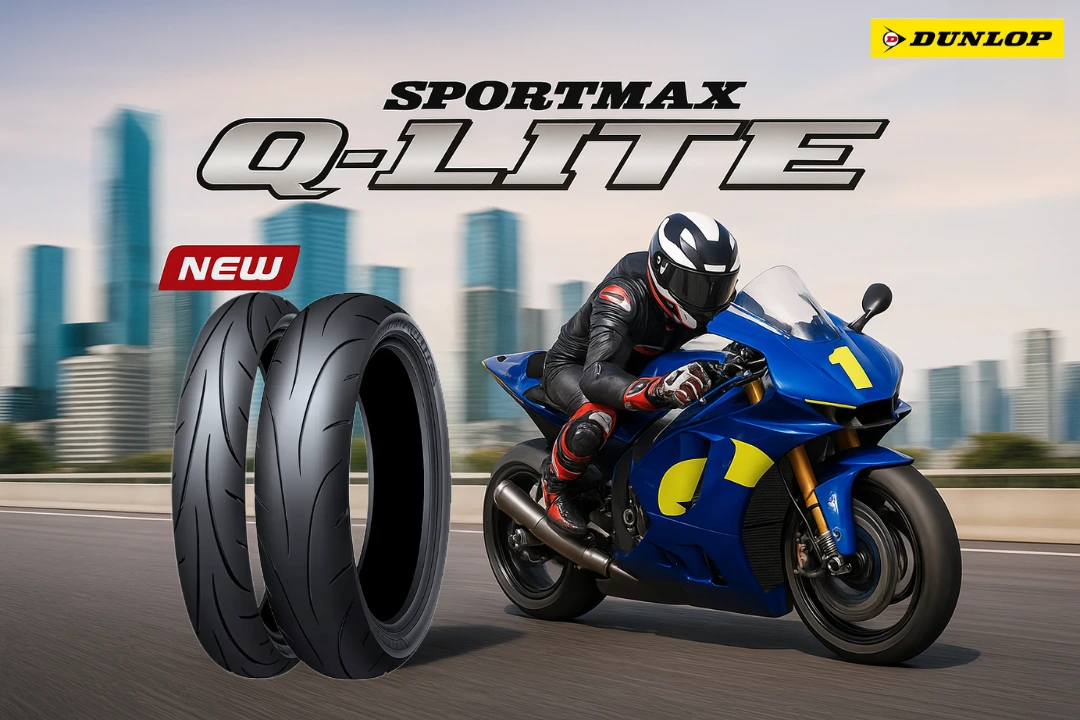 Perfect for sport motorcycles and high-performance vehicles. Designed with sporty looks and advanced technology, this tire offers precision handling and maximum grip, ideal for high-speed riding or sharp turns.
 - Scoot Smart 2:
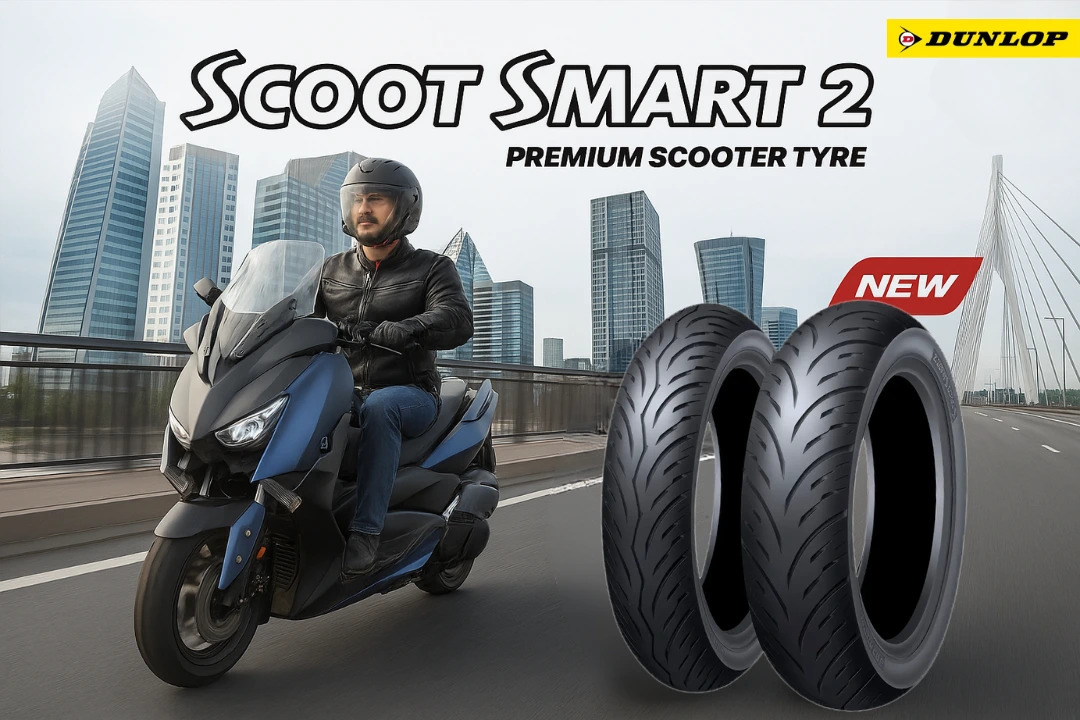 Ideal for daily scooters. It offers tough performance in all weather conditions and long-lasting durability, ensuring a comfortable ride in both urban and out-of-town roads.
 - Dunlop TT93 GP:
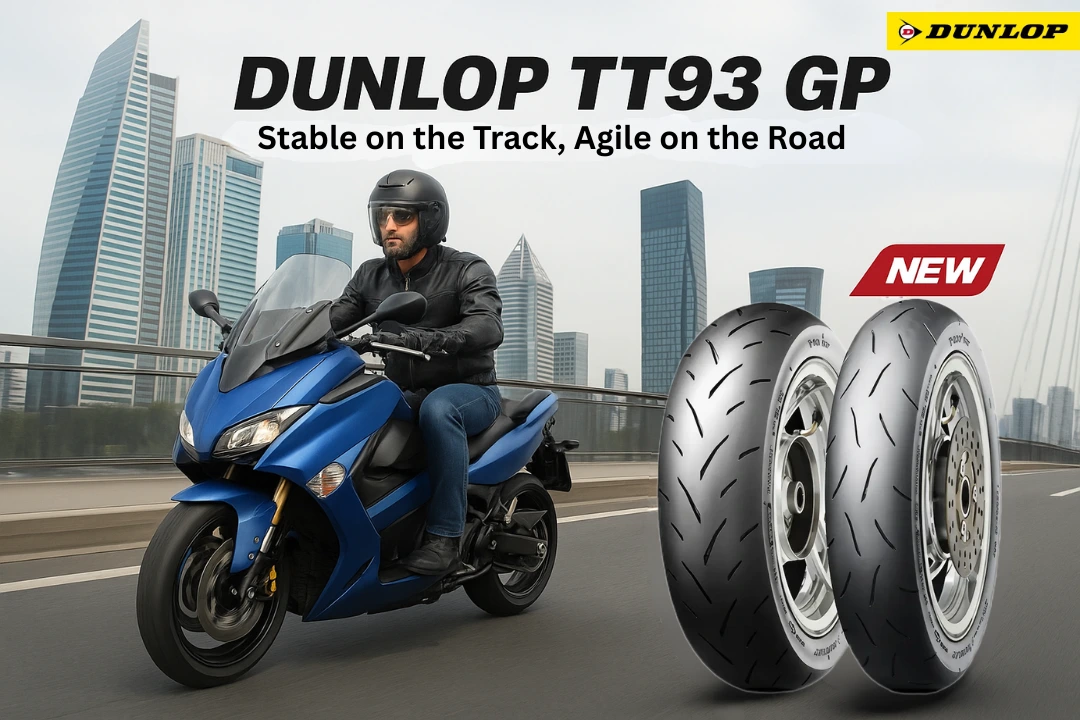 Designed for high performance in mini-bike and scooter races. With a soft compound and special design, the TT93 GP offers exceptional grip on dry surfaces, maximum stability, and quick handling response, making it the ideal choice for riders who seek racing performance for daily use.
Conclusion:
Replacing your motorcycle tire should never be taken lightly. Tires are the only part of the motorcycle that directly contacts the road. By paying attention to signs of wear, tire age, and handling performance, you can determine the best time to replace your tires. Remember, safety begins with quality tires.
Don’t wait for your tire to fail in the middle of the road. Replace your motorcycle tires on time for your safety and the safety of others.
Explore Dunlop’s full catalog of motorcycle tires at www.dunlop.co.id and find the best tires to suit your motorcycle’s needs!