

Why Hazard Lights Should Not Be Used Carelessly
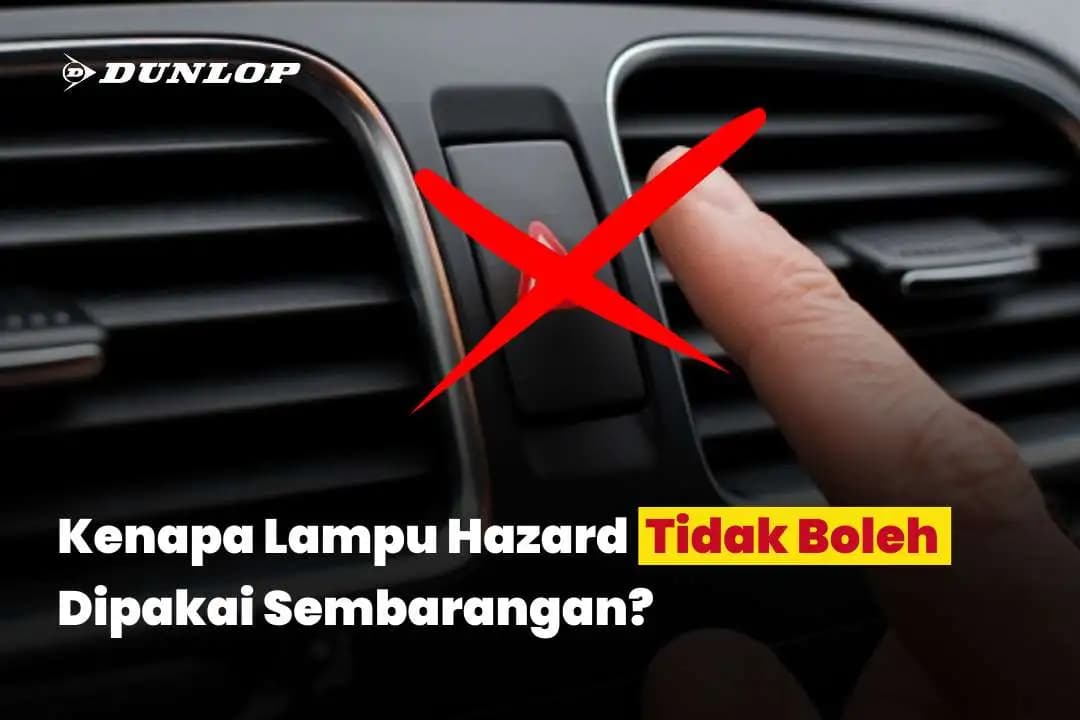
The use of hazard lights is often misunderstood by many drivers. Some believe that hazard lights can be turned on during heavy rain, while driving straight on highways, or simply to signal “drive with caution.” In fact, there are specific rules and driving ethics regarding hazard light usage that must be followed to avoid miscommunication on the road.
Before discussing the details, it is important to understand the actual function of hazard lights, the correct situations for using them, and the risks associated with improper use.
The True Function of Hazard Lights
Hazard lights, also known as emergency lights, are signals used to indicate that a vehicle is in an emergency situation. These lights are not meant to serve as general warning signals, but rather to communicate that the vehicle or driver requires special attention.
Examples of emergency situations include:
- Vehicle breakdown on the road
- Tire blowout requiring the vehicle to stop
- Involvement in a minor traffic incident
- Being forced to stop in an active traffic lane
The primary purpose is to alert other road users that the vehicle is unable to operate normally.
When Is the Right Time to Use Hazard Lights?
Understanding when to use hazard lights is an essential part of safe driving etiquette. Appropriate situations include:
- When the vehicle is stopped due to an emergency, not for resting or short stops
- When driving as part of an officially managed convoy (usually with police escort)
- When stopping in a potentially dangerous area, such as a dark road shoulder
Outside of these conditions, using hazard lights is not recommended.
The Dangers of Using Hazard Lights Improperly
The danger of improper hazard light usage lies in how other drivers interpret your signal. Hazard lights activate both left and right turn signals simultaneously, making the vehicle’s intended direction unclear.
If hazard lights are used during:
- Heavy rain
Other drivers cannot determine whether you intend to turn or continue straight. - Driving straight on highways or toll roads
Unnecessary hazard signals can confuse drivers behind you into thinking there is an emergency. - At intersections or bends
This significantly increases the risk of collisions because the vehicle’s direction is unreadable.
Such misuse not only causes confusion but also increases the risk of traffic accidents.
Hazard Light Etiquette Every Driver Should Know
To avoid misuse, follow these basic guidelines:
- Use hazard lights only in emergency situations
- Do not turn on hazard lights during rain; use low beams or fog lights instead
- Do not use hazard lights when changing lanes or turning—use turn signals properly
- Do not use hazard lights on straight roads; maintaining a safe speed is more effective
The Relationship Between Vehicle Control and Choosing the Right Tires
Beyond hazard light etiquette, another often overlooked safety factor is tire condition. Worn or unsuitable tires affect vehicle handling, braking distance, and road grip.
The right tires help provide:
- Better stability during sudden braking
- Improved control on wet or slippery roads
- Reduced risk of losing vehicle control
Choose tires with strong grip performance and a structure suited to your daily driving needs.
Conclusion
Hazard lights should not be used carelessly, as improper usage can lead to miscommunication and increase accident risks. Use hazard lights only in emergency situations and follow proper driving etiquette to ensure road safety. Equally important, ensure your vehicle’s tires are in optimal condition to maintain control in various driving conditions.
For greater driving comfort and safety, consider tires that offer reliable grip and stability.
View Dunlop tire recommendations tailored to your vehicle here.
References:
- https://momobil.id/news/jangan-salah-kaprah-ini-aturan-menyalakan-lampu-hazard
- https://otospector.co.id/blog/jangan-sembarangan-pakai-lampu-hazard-ini-5-faktanya