

Understanding the Role of Car Suspension for Durability and Comfort on the Road
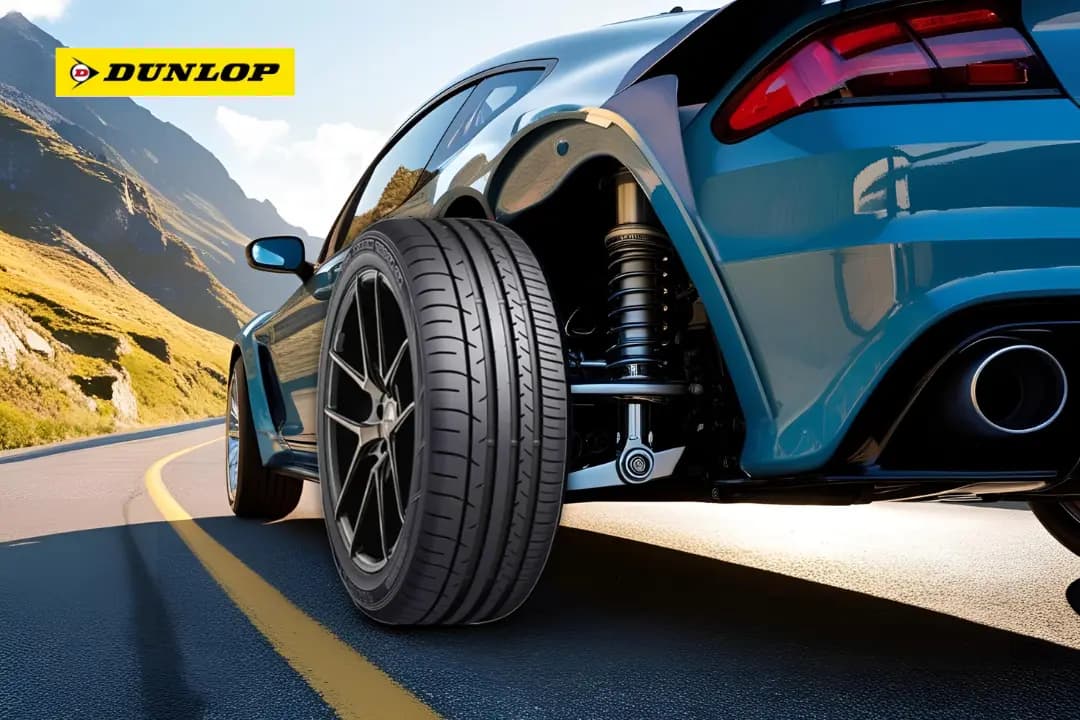
The car suspension system is one of the essential components of a vehicle that is often overlooked until problems arise. Have you ever felt your car becoming unstable while driving over a bumpy road or heard strange noises coming from underneath the vehicle? Many people assume these issues are due to the tires, but the main culprit could actually be the suspension system that isn’t functioning optimally. The suspension system not only plays a significant role in ride comfort but also serves as a key factor in vehicle stability and safety.
This article will provide a comprehensive discussion on the role, functions, types, and tips for maintaining your car suspension to ensure its longevity and maintain optimal comfort for your vehicle.
What is Car Suspension?
Car suspension is the system that connects the vehicle body to the wheels, allowing for relative movement between the two. Its function is to absorb shocks from the road surface, maintain wheel traction, and help maintain stability and comfort while driving.
Main Functions of Vehicle Suspension
- Absorbing Vibrations and Shocks
Uneven road surfaces such as potholes, speed bumps, or gravel can cause the car to shake. This is where the suspension plays a crucial role—absorbing vibrations so they aren’t directly felt in the cabin, thus maintaining comfort even on rough roads. - Maintaining Traction and Stability
Suspension ensures the wheels stay in contact with the road surface under all conditions. This is vital for maintaining control of the vehicle, especially when turning or braking suddenly. - Improving Ride Comfort
With a good suspension system, passengers won’t feel excessive jolts. It helps maintain a smooth ride, even when traveling over difficult terrain, such as damaged roads. - Protecting Car Components
Excessive vibration without a proper suspension system can accelerate wear and tear on other components, such as the steering system, car frame, and even the tires. Therefore, the suspension system is critical in protecting other parts of your car from damage.
Signs of Suspension Problems
Recognizing early signs of suspension damage is essential for maintaining driving comfort and preventing more severe issues. A problematic suspension system doesn’t only make the ride uncomfortable but can also affect the vehicle's overall stability and safety. Here are common signs that your car’s suspension may be failing:
- The Car Feels Wobbly While Driving
If the car feels unstable, sways when turning, or easily tilts even at moderate speeds, it could be an indication that the suspension system is weakening. A healthy suspension should maintain vehicle stability during maneuvers, especially on turns or bumpy roads. - Strange Noises from Underneath the Car
Odd noises like squeaking, metal clanking, or thudding when driving over bumps or rough roads might indicate worn or loose suspension components. Typically, the problem stems from bushings, springs, or shock absorbers that are no longer functioning optimally. - The Car Leans to One Side
If you notice that your car seems tilted to one side when parked on a flat surface, it could be caused by a broken or weakened suspension spring. This not only affects the appearance but also poses a risk to stability and comfort while driving.
How to Maintain Car Suspension for Longevity
Maintaining your vehicle's suspension system is not difficult, but it does require regular attention to keep it performing optimally.
- Inspect Shock Absorbers Regularly
Shock absorbers are responsible for damping vibrations. Ensure there are no oil leaks or performance degradation. - Avoid Overloading
Carrying more weight than the vehicle’s capacity can accelerate suspension damage, especially to the springs and arms. - Drive Carefully
Reduce speed when driving over rough roads or speed bumps. This will help prevent early suspension damage. - Routine Alignment and Balancing
Alignment helps maintain wheel alignment, while balancing ensures an even weight distribution. Both are crucial for ensuring the suspension system works optimally. - Use High-Quality Tires
Tires that are high-quality and meet specifications will work in harmony with the suspension and help absorb shocks more effectively.
Why is Car Suspension Important for Safety?
The suspension system does not only contribute to comfort but is also a vital part of the vehicle’s safety system. A poorly functioning suspension can cause:
- Longer braking distances
- Instability when making maneuvers
- Increased risk of skidding or losing control
Therefore, ensuring that your suspension system is in top condition is an important step for safety on the road.
Frequently Asked Questions About Car Suspension
- Can the suspension be repaired or must it be replaced?
It depends on the extent of the damage. Some components such as bushings, shock absorbers, or springs can be replaced individually. - Do tires affect the suspension system?
Yes, incorrect tire pressure or worn-out tires can make the suspension work harder, which can reduce driving comfort.
Conclusion
The suspension system plays a vital role in the comfort and safety of driving. Its functions go beyond shock absorption, also ensuring stability and traction. By understanding the types of suspension, signs of damage, and how to maintain it, you can prolong its lifespan and keep your vehicle performing optimally. Don’t ignore the signs of damage, as it can have significant consequences on both comfort and safety.
Choose Quality Tires for Maximum Suspension Support
One of the best ways to support the suspension system is by using high-quality tires. Dunlop, a trusted brand in Indonesia, offers a wide range of tires for all types of vehicles and road conditions. Visit the official Dunlop website at www.dunlop.co.id to find the best tires for your needs, or head to a Dunlop Shop to consult with our expert technicians about which tires are best for your vehicle. Support your comfort and safety on the road by choosing the right tires!