

Dealing with Flat Tires on the Road: Quick and Effective Solutions
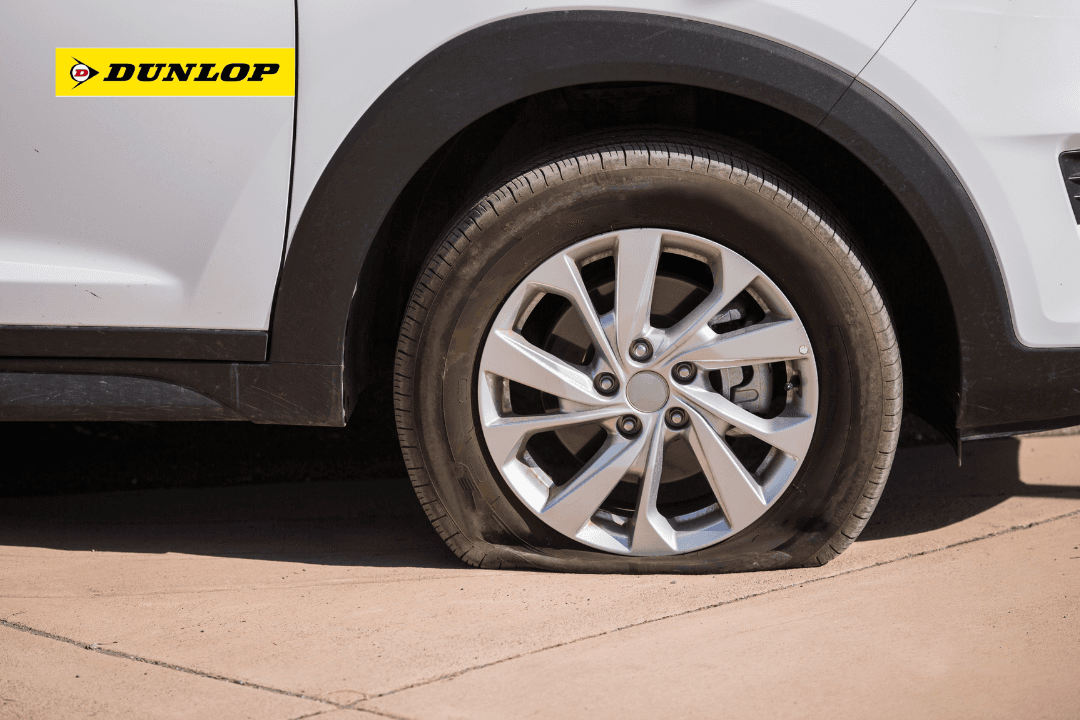
Flat Tire on the Road? Here’s How to Handle It!
Experiencing a flat tire while driving can be an unpleasant situation, especially if it happens far from a repair shop or in heavy traffic. This incident can cause delays, increase the risk of accidents, and make your journey more tiring. Therefore, it is important for every driver to know how to handle this problem quickly and effectively.
In this article, we will discuss the common causes of flat tires on the road, practical ways to solve the problem, and tire maintenance tips to help prevent leaks or flats, especially during long trips such as homecoming travel (mudik). We will also answer some frequently asked questions about tire care and driving safety.
Causes of Flat Tires on the Road
To avoid flat tires on the road, it is important for Drivemate to understand the main causes. Here are some key factors that cause your vehicle’s tires to go flat:
Incorrect Tire Pressure Tire pressure that does not match the vehicle manufacturer’s recommendation can cause tires to leak or even burst while driving. Underinflated tires are more prone to damage when passing over potholes or rocky roads, while overinflated tires lose shock absorption and are prone to cracking. Tips:
- Check tire pressure before departure using a tire pressure gauge.
- Adjust pressure according to vehicle load, whether fully loaded or empty.
- Ensure tire pressure matches manufacturer standards to avoid accident risks.
Punctures from Sharp Objects Sharp objects like nails, glass shards, or metal debris on the road can cause tire punctures. The leak may happen suddenly or slowly if the object remains embedded in the tire. Tips:
- Avoid driving too close to road edges where sharp debris often accumulates.
- Use tires with puncture-resistant technology for extra protection.
- Inspect tires after driving on roads likely to have sharp objects.
Valve Stem Damage The valve stem plays an important role in maintaining tire pressure. If the valve stem is loose or leaking, air pressure will gradually decrease, causing the tire to go flat. Tips:
- Regularly check the valve stem condition and replace if damaged.
- Ensure the valve cap is tightly closed to prevent air leaks.
Worn or Cracked Tires Severely worn tires are more prone to leaks and do not provide optimal grip, especially on wet or damaged roads. Tips:
- Replace tires if they are worn or cracked.
- Visually inspect tires before long trips.
Tips for Handling Flat Tires on the Road
If you experience a flat tire while driving, don’t panic. Here are steps Drivemate can take:
- Pull Over to a Safe Spot Avoid stopping suddenly in the middle of the road as it can endanger other drivers. Find a safe place such as the shoulder, parking area, or rest stop.
- Inspect the Tire Condition Once safely stopped, check the tire to identify the cause of the flat—whether due to a sharp object, valve leak, or incorrect pressure.
- Use the Spare Tire If the tire is severely damaged or unusable, replace it with the spare tire. Make sure the spare tire is in good condition with proper pressure, and that you have a jack and lug wrench to assist with the replacement.
- Call for Emergency Assistance If you don’t have the tools or ability to change the tire yourself, contact emergency services or the nearest repair shop.
Tire Maintenance During Long Trips (Mudik) for Safety
To ensure a safe and comfortable journey, especially during long trips like mudik, Drivemate can perform the following maintenance:
- Regularly Check Tire Pressure Ensure tire pressure matches the vehicle manufacturer’s specifications to prevent leaks and maintain driving comfort.
- Check Tread Depth Tires with worn tread are more likely to slip on wet roads. Use a tread depth gauge or visually ensure the tread is still clearly visible.
- Use Tires with Optimal Grip Choosing tires with good grip is essential for safety and comfort.
- Avoid Overloading Excessive load puts extra pressure on tires and accelerates wear. Ensure your vehicle load is within the recommended limit.
- Rotate Tires Regularly Rotating tires every 5,000 to 8,000 km helps maintain balance and extend tire life.
Frequently Asked Questions About Flat Tires
- How Often Should I Check Tire Pressure? It is recommended to check tire pressure at least once a week or before long trips.
- Are Tubeless Tires Better Than Regular Tires? Tubeless tires are more resistant to leaks because they don’t have an inner tube, but they still require proper maintenance.
- What Should I Do If I Don’t Have a Spare Tire? You should immediately contact a nearby towing service for assistance.
Conclusion
Experiencing a flat tire on the road is unpleasant, but by understanding the causes, how to handle it, and performing regular maintenance, you can significantly reduce the risk. Always be prepared with a spare tire and tire-changing tools.
Use quality tires from Dunlop to ensure safety and comfort during your journey. Visit Dunlop Indonesia to choose the best tires suited to your vehicle’s needs!