

How Temperature Affects Car Tire Performance: Beware the Impact Before It's Too Late!
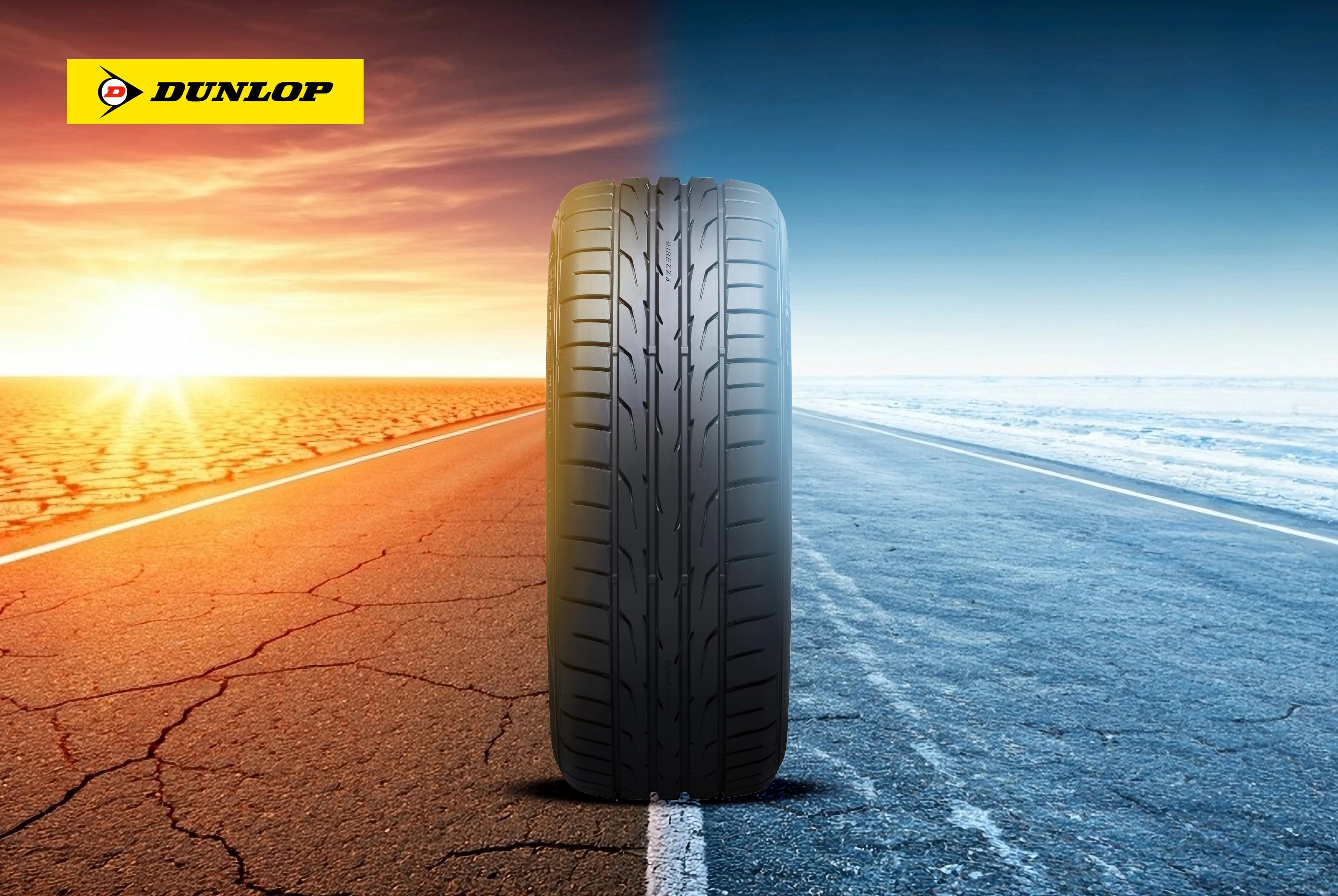
Have you ever noticed your car feels more slippery in the morning? Or perhaps you've wondered why your tire pressure fluctuates even though you haven’t added any air? If so, you’re not alone. Many drivers don’t realize that tire temperature significantly affects tire performance. In extreme conditions, temperature can even be the main cause of road accidents due to tire blowouts, loss of grip, or premature wear.
Understanding the impact of temperature on tires is a crucial first step in improving safety, fuel efficiency, and driving comfort. In tropical countries like Indonesia—where temperatures can change drastically between morning, noon, and night—this becomes especially important.
In this article, we’ll take a deep dive into how temperature affects car tires, including its relationship with air pressure, tire wear, and practical tips to keep your tires in top condition across weather changes. We'll also address frequently asked questions about tire temperature and recommend the best Dunlop tires for Indonesia’s climate. Read on, Drivemate!
Why Does Temperature Affect Tire Performance?
Rubber and Air Pressure: A Sensitive Combination
Car tires are made from synthetic rubber and multiple layered compounds designed for flexibility and durability. However, rubber is highly sensitive to temperature:
- In hot temperatures, rubber becomes softer and more flexible.
- In cold temperatures, it hardens and loses elasticity.
In colder conditions, tires stored for long periods without use—especially in garages—tend to harden and lose elasticity because they don't get the heat generated by driving. On the other hand, tires used regularly retain their flexibility even in cool weather thanks to the heat generated during driving.
Similarly, air pressure inside tires increases with heat and decreases in cold conditions, causing natural fluctuations in pressure.
How Temperature Affects Tire Pressure
Why Does Tire Pressure Rise in the Afternoon and Drop in the Morning?
One common question from drivers is:
“Why does my tire pressure go up by itself when I haven’t added any air?”
The answer is ambient temperature. Overnight, cooler temperatures cause the air in your tires to contract, lowering the pressure. During the day, especially when driving on hot roads, the surrounding heat causes the air molecules to expand, increasing the pressure naturally.
As a general rule, every 10°C rise in air temperature increases tire pressure by around 1 PSI (pound per square inch).
These pressure changes can affect:
- Tire contact patch with the road, altering grip.
- Vehicle stability during cornering or emergency maneuvers.
- Fuel efficiency, as under-inflated tires increase rolling resistance.
- Tread wear, with improper pressure causing uneven wear.
To maintain vehicle performance and driving safety, it’s highly recommended to check tire pressure regularly—especially during extreme weather changes or before long trips.
Impact of Extreme Temperatures on Tire Conditions
The Risks of Driving in Hot Weather
Indonesia is known for its long dry season and hot climate. Under these conditions, tires can reach very high temperatures—especially after long drives.
Possible risks include:
- Overheating, particularly if tire pressure is too low.
- Increased blowout risk, especially for worn tires.
Ideal Temperature for Tire Performance
What is the Tire's Operational Temperature Range?
Tires are designed to operate within a specific temperature range, known as the operational temperature. For daily-use vehicles, the ideal tire temperature is between 40°C to 70°C.
- If too cold: tires become hard and lose grip, increasing the risk of skidding during turns.
- If too hot: air pressure spikes and internal tire damage or overheating may occur.
How to Measure Tire Temperature
- Manual method: Use an infrared thermometer.
- TPMS (Tire Pressure Monitoring System): Common in newer vehicle models.
Tips for Maintaining Tires Across Temperature Changes
Practical Recommendations to Maintain Tire Performance:
- Check Tire Pressure Every Morning
Inspect tire pressure when the tires are cold (before driving). Use a digital gauge for more accurate readings. - Avoid Refilling Air When Tires Are Hot
Adding air to hot tires can cause over-inflation when the temperature cools again. - Rotate Tires Regularly
Rotation helps even out wear and reduce hot spots caused by uneven driving force. - Use Tires That Match Your Vehicle Type and Terrain
For instance, SUV tires for rocky terrain are different from city-use tires. The wrong type can worsen the impact of temperature changes. - Don't Forget Wheel Alignment and Balancing
Proper balance and alignment ensure even distribution of heat and air pressure during driving.
Frequently Asked Questions About Tire Temperature
Can Tires Explode Due to High Temperatures?
In extreme cases, yes—especially if overinflated and worn out. The risk increases on highways at high speeds during midday heat.
Do I Need to Change Tires with the Seasons?
In tropical countries like Indonesia, seasonal tire changes are unnecessary. However, choosing tires that adapt well to heat and rain is crucial.
Are Nitrogen-Filled Tires Better for Handling Temperature?
Yes. Nitrogen has larger molecules than regular air, making it more stable under temperature changes. But Drivemates should still check tire pressure and temperature regularly.
Recommended Dunlop Tires for You
Temperature changes can significantly affect tire performance and pressure. That’s why choosing high-quality tires is crucial to ensure safety on the road. Here are top Dunlop tire recommendations designed with technology to perform optimally in hot or cold climates and various road conditions:
1. Dunlop Direzza DZ102
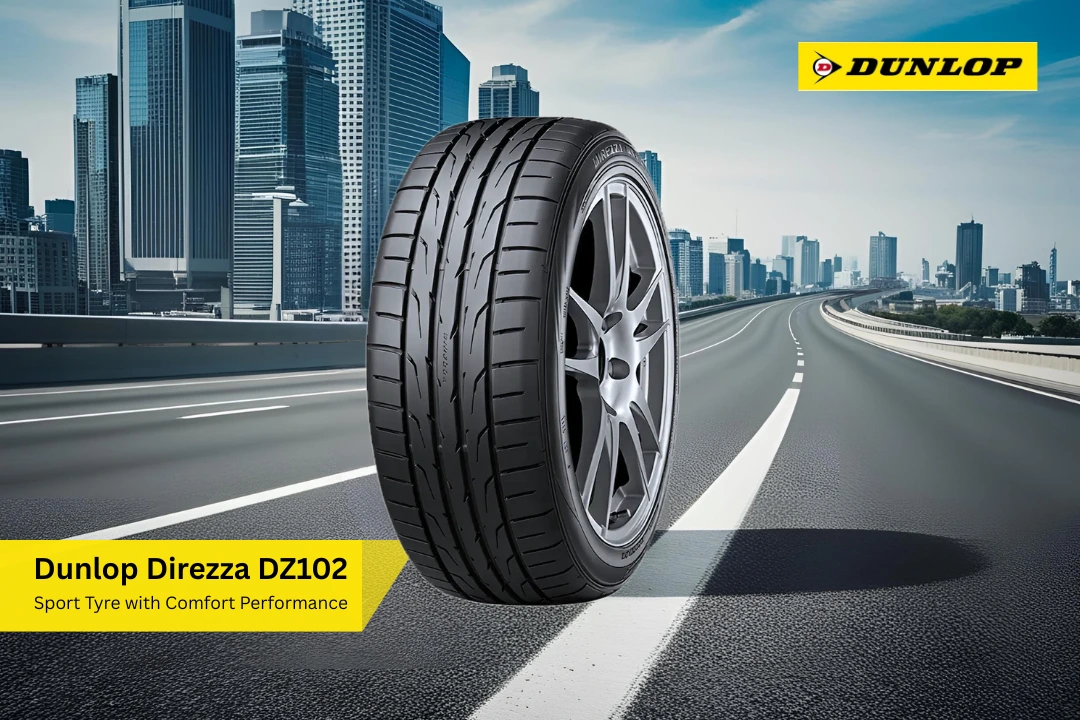
Designed for drivers who prioritize high performance and stability at high speeds. Ideal for tropical climates, thanks to its newly formulated carbon compound that ensures maximum grip in both hot and rainy conditions. Its sporty tread and new groove design with brake slots reduce the risk of hydroplaning—perfect for dynamic driving in urban and suburban roads.
2. Dunlop SP Sport LM705
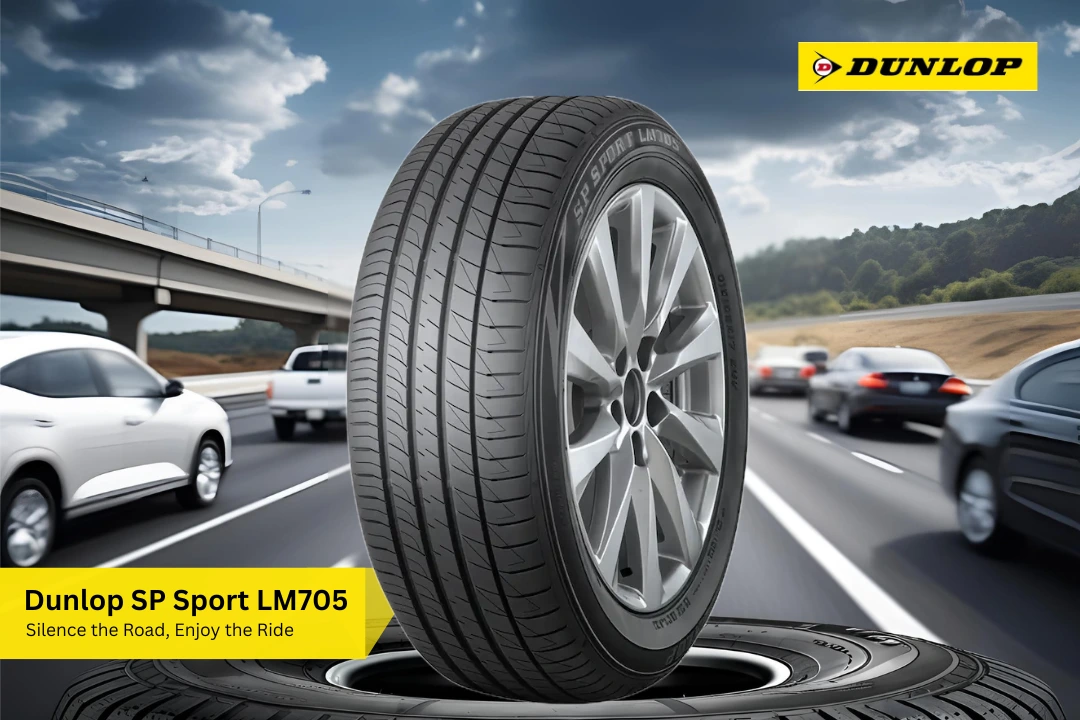
Perfect for daily use with high comfort. Featuring Shinobi Technology that reduces noise and enhances stability—even on hot roads. With excellent wear resistance and reliable handling, the SP Sport LM705 is ideal for family or commuter cars that deal with temperature changes from morning to night.
3. Dunlop Grandtrek AT5
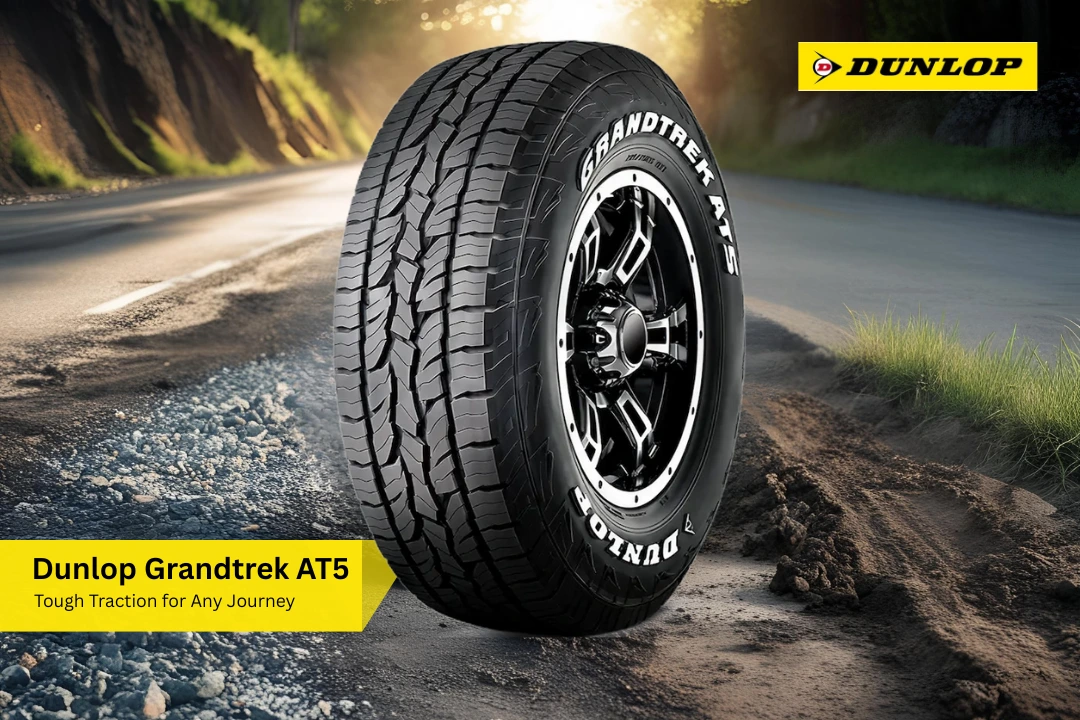
Great for SUVs and varied terrains, including hot, rocky, and semi-off-road conditions. With thicker tread blocks and high durability, this tire is built to perform in extreme temperatures. It offers the perfect balance of endurance, comfort, and grip across all weather and terrain conditions.
Conclusion
The effect of temperature on tire performance should not be underestimated. Temperature changes can influence grip, comfort, and most importantly—driving safety. By understanding this relationship, you can take the right steps to extend tire life and ensure safer journeys.
Tires are not just about making your car move—they're a vital part of your safety every time you drive. Dunlop understands the importance of performance, comfort, and security—that’s why we offer high-quality tires for all vehicle types and needs.
Visit the Dunlop website to explore a wide range of tires suited for your vehicle, or drop by the nearest Dunlop Shop in your area and get personalized recommendations from our expert technicians.
Start Your #UnlimitedJourney with Dunlop!