

Causes of Bulging Car Tires and How to Prevent Them
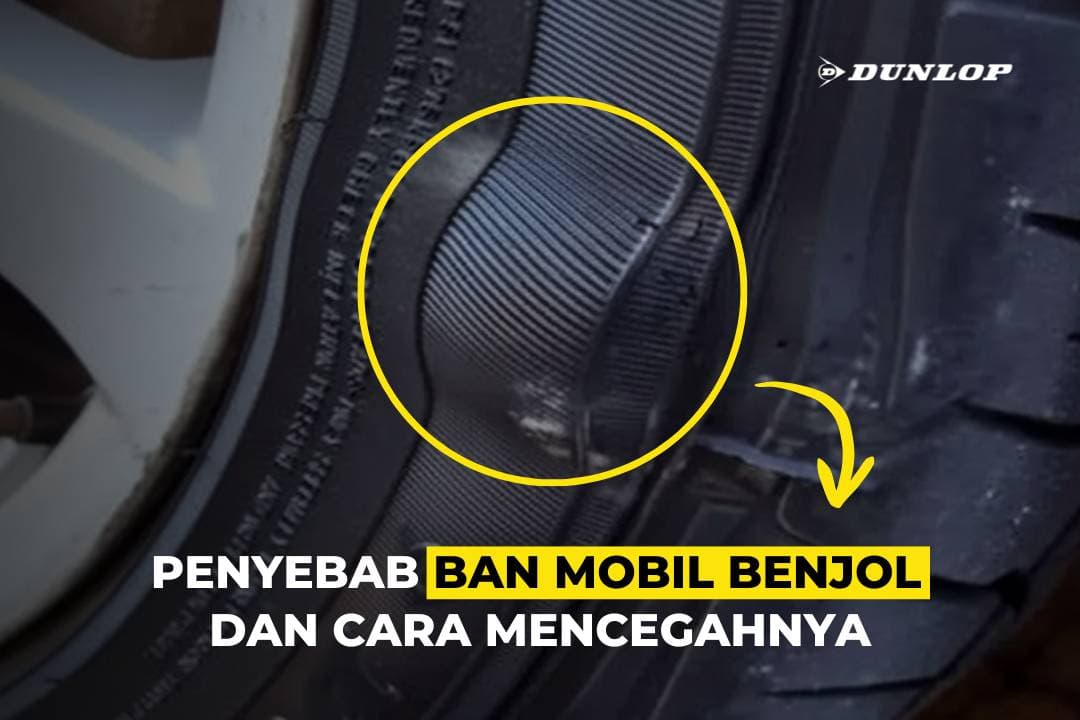
A bulging car tire is a common issue that often goes unnoticed by drivers, yet it can pose serious safety risks. This condition occurs when the internal structure of the tire weakens, causing the surface to protrude outward. When a bulge appears, the tire’s structure becomes unstable, drastically reducing its load-bearing capability. In this article, the main keyword bulging car tire is the core focus. We will discuss the causes, dangers, repair options, and prevention methods, while also addressing frequently asked questions such as “Is a bulging car tire safe?” and comparisons with bulging motorcycle tires. With proper understanding, vehicle owners can significantly reduce driving risks.
Are Bulging Car Tires Dangerous?
A tire with a bulge is already unsafe for use. The bulge indicates that the internal cords or steel belts in the sidewall have broken. Once these layers are damaged, air pressure is supported only by the outer rubber, which is far weaker. This condition can cause the tire to suddenly burst, especially at high speeds or on uneven roads. Therefore, driving with a bulging tire is strongly discouraged, even for short distances.
Other effects may include cabin vibrations, unstable handling, and increased risk of suspension damage due to uneven tire rotation. Similar risks also apply to bulging motorcycle tires, although their tire construction differs.
Causes of Bulging Car Tires
1. Incorrect Tire Pressure
Underinflated tires bear excessive load on their surface. Over time, this can damage the internal structure and lead to tire bulging.
2. Hard Impact on the Road
Hitting potholes, curbs, or large stones at high speed can damage the internal cords of the tire. This impact often goes unnoticed, with the bulge appearing days later.
3. Exceeding Tire Lifespan
Every tire has a service life. As tires age, the sidewall strength decreases, making them more vulnerable to deformation under pressure.
4. Overloading the Vehicle
Excessive vehicle load increases stress on the tires. Continuous overloading weakens the sidewall and eventually causes bulging.
5. Poor Road Conditions
Frequent driving on damaged roads with potholes or sharp gravel accelerates internal tire structure damage.
Proper Handling of a Bulging Car Tire
Many drivers ask whether a bulging car tire can be repaired. Technically, a bulge cannot be repaired because the damage occurs within the tire’s internal structure, not on the surface. There is no method to restore broken cords or steel belts. The only correct and safe solution is to replace the tire.
Continuing to use a bulging tire in hopes that it will improve on its own is extremely dangerous. In certain conditions, the bulge may grow larger due to heat and increased air pressure while driving.
Early Warning Signs of Tire Damage
To prevent tire bulging, drivers should recognize early signs of tire damage:
- Steering Wheel Vibration
Occurs because the tire no longer rotates evenly. If vibrations increase, immediate inspection is recommended. - Unusual Noises
Damaged tires may produce pulsating or thumping sounds while driving. - Unstable Vehicle Handling
If the car feels unstable or less responsive during turns, tire deformation may already be present.
How to Prevent Bulging Car Tires
- Regularly Check Tire Pressure
Maintain tire pressure according to the manufacturer’s recommendations, ideally every two weeks. - Avoid Hard Impacts
Reduce speed on pothole-ridden or uneven roads and avoid hitting curbs. - Respect Load Capacity Limits
Do not exceed the vehicle’s maximum load capacity as stated in the owner’s manual. - Perform Tire Rotation and Wheel Alignment
Tire rotation ensures even wear, while wheel alignment prevents excessive tire stress. - Inspect Tires Periodically
Especially for long-distance driving or frequent use on poor road conditions, regularly inspect the tread and sidewalls.
When Should a Tire Be Replaced?
A tire must be replaced immediately if:
- Any bulge is visible, regardless of size
- Cracks appear on the tread or sidewall
- Tread wear exceeds the wear indicator
- The vehicle feels unstable due to suspected tire issues
Using weakened tires only increases the risk of accidents and damage to other vehicle components.
Conclusion
A bulging car tire indicates serious internal damage that cannot be repaired. Common causes include incorrect tire pressure, hard impacts, overloading, aging tires, and poor road conditions. Driving with a bulging tire is extremely unsafe and may result in sudden tire failure. With routine maintenance, careful driving, and regular inspections, the risk of tire bulging can be minimized. Once a bulge appears, replacing the tire is the safest solution.
For optimal safety and performance, ensure your vehicle uses high-quality tires designed to handle various road conditions. Explore the best car tire options on the official DUNLOP website for reliable performance and driving confidence.