

Car Undercarriage Maintenance: 7 Components You Should Check Regularly
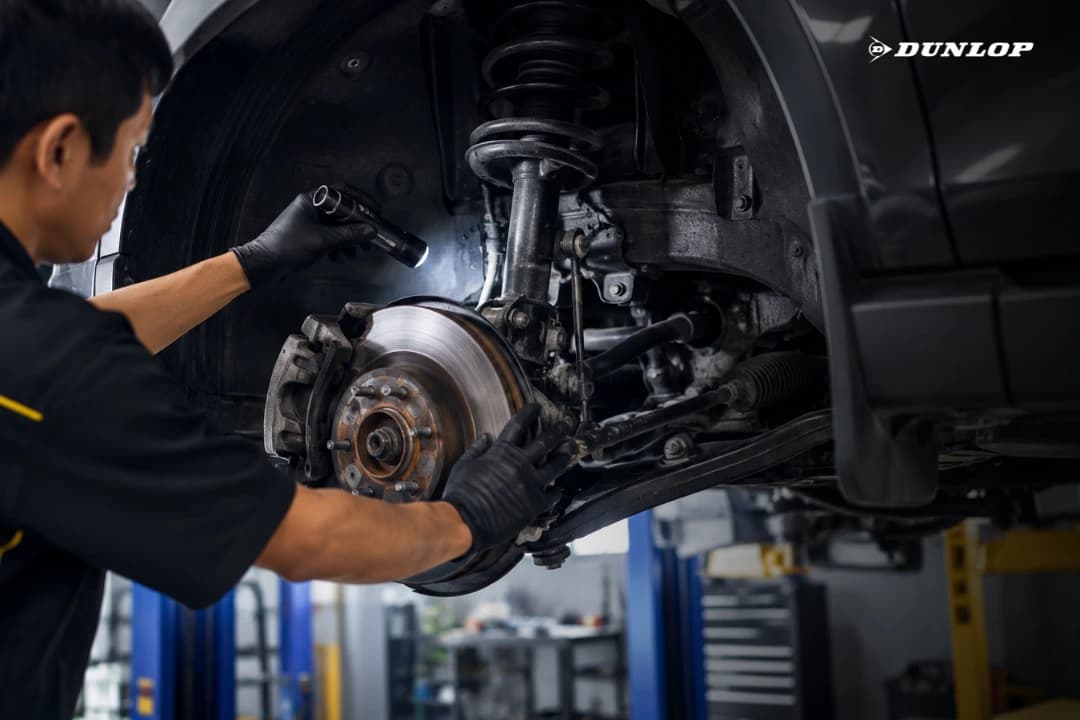
Car undercarriage maintenance is an important step in keeping your vehicle comfortable, safe, and performing well in daily use. Unfortunately, many car owners focus more on engine servicing or oil changes, while the undercarriage is often overlooked. In fact, these components are at work every time the car moves, turns, brakes, or drives over bumpy roads.
When one of the undercarriage components starts to wear out, various signs usually appear, such as noises from the undercarriage, a vibrating steering wheel, the car swaying when cornering, or uneven tire wear. If left too long, the damage can spread to other components and lead to higher repair costs.
That is why it is important for every vehicle owner to understand how the undercarriage works, recognize which components need to be checked, and know the right time to have them inspected. Read the full explanation below.
Understanding the Function of a Car's Undercarriage
A car's undercarriage is a system made up of various components that work together to support the vehicle's weight, maintain balance, absorb shocks, and help with handling while driving. This system also keeps the tires firmly in contact with the road surface so the vehicle's traction remains optimal.
When the car drives over potholes or bumpy roads, or maneuvers around corners, all undercarriage components work together to keep the vehicle stable. If one component is damaged, driving comfort can decrease and the vehicle's performance is also affected.
Because it consists of many interconnected components, the undercarriage should be inspected regularly. Here are some of the most important components to check.
7 Undercarriage Components You Should Check Regularly
Shock Absorbers
Shock absorbers dampen impacts when the vehicle drives over uneven road surfaces. They work together with the springs in the suspension system to keep the ride comfortable while ensuring the wheels stay in contact with the road.
Weakening shock absorbers usually show several symptoms, such as:
- The car bounces more than usual.
- Oil is leaking from the shock absorber.
- The vehicle feels unsteady when cornering.
- Braking distance becomes longer.
If left unchecked, damaged shock absorbers not only reduce comfort but can also affect vehicle handling and speed up tire wear.
Control Arm Bushings
Control arm bushings are rubber cushions that connect the suspension arms to the vehicle's frame. They dampen vibrations and reduce metal-to-metal friction while the suspension is working.
Over time, control arm bushings can crack or harden with age. When their condition is no longer optimal, you will usually hear noises from underneath the car when driving on rough roads. The steering may also feel less stable and driving comfort decreases.
Tie Rods
Tie rods connect the steering system to the front wheels so that steering wheel movements are transmitted precisely.
Worn tie rods can cause several problems, such as:
- The steering feels loose or imprecise.
- The car tends to pull to one side.
- Uneven tire wear.
- Noises from the front of the vehicle when driving over bumpy roads.
Because they are directly connected to the steering system, tie rods need to be checked regularly so the vehicle remains easy to control.
Ball Joints
Ball joints act as a connection that allows the wheels to move with the steering while also following the movement of the suspension.
These components wear out as the vehicle is used. When they start to fail, you will usually hear a clunking sound when driving over bumpy roads, feel vibrations through the steering, or notice the wheels feeling less stable.
Regular ball joint inspections are important for maintaining safety and comfort while driving.
Wheel Bearings
Wheel bearings help the wheels rotate smoothly and reduce friction while the vehicle is moving.
Worn bearings are usually indicated by a humming sound that gets louder as the car speeds up. The wheels may also vibrate and rotate less smoothly.
If not replaced promptly, damaged wheel bearings can affect other undercarriage components and reduce driving comfort.
Stabilizer Links
Stabilizer links connect the stabilizer bar to the suspension system. They help keep the vehicle balanced when turning or driving over bumpy roads.
When stabilizer links start to wear out, you will usually hear noises from underneath the vehicle when driving over uneven roads. Although relatively small, this component plays an important role in maintaining vehicle stability.
Car Suspension
The car suspension is a system made up of various components, such as springs, shock absorbers, control arms, stabilizers, and other supporting parts. It is designed to absorb shocks while keeping the vehicle comfortable and stable.
A well-functioning suspension helps the tires stay in contact with the road surface so traction remains optimal when accelerating, braking, or turning. That is why the suspension should be thoroughly inspected during regular servicing.
Signs Your Car's Undercarriage Has a Problem
Undercarriage damage generally does not happen suddenly. There are several signs you can recognize early so the problem can be addressed right away.
Some symptoms to watch out for include:
- Noises from the undercarriage when driving over potholes or speed bumps.
- The steering wheel vibrates while driving.
- The vehicle tends to pull to one side.
- The car feels unsteady when turning.
- Uneven tire wear.
- A humming sound from the wheel area.
The sooner these symptoms are addressed, the lower the risk of damage spreading to other components or causing uneven tire wear.
When Should You Have Your Undercarriage Inspected?
Ideally, the undercarriage should be inspected regularly along with your vehicle's routine servicing. However, there are certain conditions that call for an earlier inspection, such as:
- After a long trip.
- Frequently driving on potholed or bumpy roads.
- Unusual noises from underneath the car.
- The steering feels unstable or vibrates.
- The tires start to wear unevenly.
Regular inspections help detect component wear early so repairs can be made before the damage becomes more severe.
Conclusion
Car undercarriage maintenance is an important step in keeping your vehicle comfortable, stable, and safe on the road. Regular inspection of the shock absorbers, control arm bushings, tie rods, ball joints, wheel bearings, stabilizer links, and the suspension system can help detect damage early and prevent higher repair costs down the line.
Besides making sure all undercarriage components are in good condition, using the right tires also plays an important role in maintaining vehicle performance. Tires with good grip work better together with the undercarriage, keeping the car stable and comfortable in various road conditions.
To support a safer and more comfortable driving experience, DUNLOP offers a range of tires to suit your vehicle's needs, including:
- DUNLOP Blue Response TG: Suitable for daily use, with a balance of comfort, handling, and fuel efficiency, and compatible with various vehicle types including electric vehicles.
- DUNLOP SP Touring R1: An everyday tire that offers comfort, durability, and good handling for passenger cars.
- DUNLOP Direzza DZ102: Designed for drivers who prioritize performance, stability, and more precise steering response.
- DUNLOP Grandtrek AT5: The right choice for SUVs used on both paved roads and more challenging terrain, with optimal grip.
Choose tires that match your vehicle's specifications so the undercarriage can work at its best.