

Motorcycle Routine Service: Keep Your Engine Running Smoothly and Lasting Longer
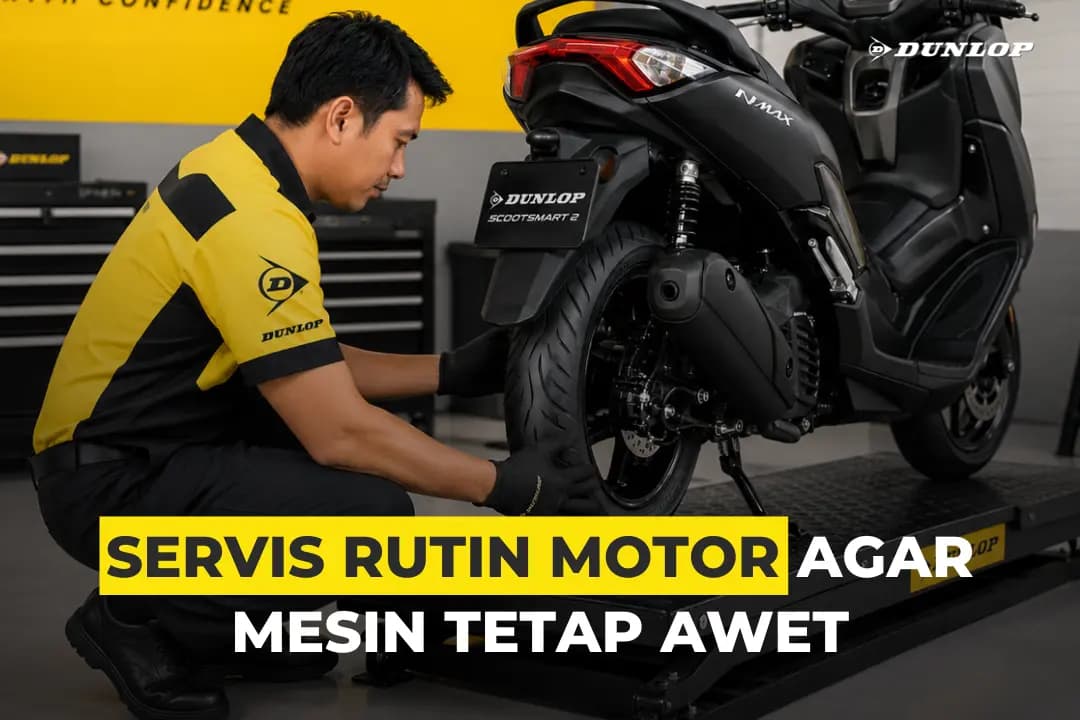
Why Routine Motorcycle Service Matters
Routine motorcycle service is essential for maintaining engine performance, riding comfort, and safety on the road. Many riders only realize the importance of servicing when their motorcycle starts feeling sluggish, becomes fuel-inefficient, is difficult to start, or produces unusual engine noises. In reality, most of these problems can be prevented through regular maintenance.
Motorcycles used daily operate under various conditions, including traffic congestion, hot weather, rain, and uneven roads. These conditions affect components such as engine oil, brakes, tires, air filters, spark plugs, and drivetrain systems. Through regular servicing, minor issues can be identified early before developing into more serious and costly problems.
To keep a motorcycle in optimal condition, owners should understand the ideal service intervals, the components that need inspection, and the consequences of delaying maintenance.
The Importance of Routine Motorcycle Service
Motorcycle servicing involves more than just changing the engine oil. During a service, technicians inspect various components that directly affect vehicle performance, safety, and efficiency. These inspections help ensure the engine operates properly, the braking system remains responsive, and the tires stay roadworthy.
If a motorcycle is used daily, its components gradually deteriorate. Engine oil can become contaminated, air filters can become clogged with dust, brake pads can wear down, and tire pressure can decrease. Without regular inspections, riders often only notice problems when the motorcycle becomes uncomfortable to ride or breaks down unexpectedly.
Routine servicing also helps preserve vehicle value by maintaining component condition over the long term.
Recommended Motorcycle Service Schedule
First Service at 500–1,000 Kilometers
For new motorcycles, the first service is typically performed when the odometer reaches approximately 500–1,000 kilometers. This stage is important because the engine is still in its initial break-in period.
Services generally include:
- Engine oil replacement
- Bolt inspections
- Brake checks
- Throttle adjustment
- Electrical system inspection
Routine Service Every 2,000–3,000 Kilometers
After the first service, motorcycles should generally be serviced every 2,000–3,000 kilometers or approximately every two to three months, depending on usage intensity.
For motorcycles frequently used in heavy traffic, carrying heavy loads, or traveling long distances, more frequent servicing may be necessary.
Typical inspections include:
- Engine oil
- Spark plugs
- Motorcycle air filter
- Brake pads
- Tire pressure
- Drive chain (manual motorcycles)
- CVT system (automatic scooters)
Comprehensive Service at 8,000–12,000 Kilometers
At higher mileage intervals, more detailed inspections are recommended.
Components requiring closer attention include:
- Spark plugs
- Fuel system
- Braking system
- Suspension
- Battery
- Drivetrain system
For automatic scooters, the CVT system requires special attention because it directly affects acceleration and riding smoothness.
Follow the Manufacturer's Service Book
Although mileage provides a useful guideline, the vehicle service manual should always be the primary reference. Different motorcycle models have different maintenance requirements, so riders should follow manufacturer recommendations and adjust according to actual riding conditions.
Components Checked During Motorcycle Service
Engine Oil
Engine oil lubricates internal engine components and reduces friction. Dirty or insufficient oil causes the engine to work harder, run hotter, and wear more quickly.
Regular oil changes are essential for maintaining engine durability.
Motorcycle Air Filter
The air filter prevents dust and debris from entering the combustion chamber.
A clogged air filter restricts airflow, resulting in incomplete combustion, sluggish acceleration, and increased fuel consumption.
Spark Plugs
Spark plugs generate the spark needed for combustion.
Worn or dirty spark plugs can cause difficult starting, engine hesitation, reduced power, and poor fuel efficiency.
Brakes
The braking system is directly related to rider safety.
Worn brake pads, low brake fluid levels, or reduced braking effectiveness should be inspected immediately.
Motorcycle Tires
Tires are the only components in direct contact with the road surface.
During service, technicians should inspect:
- Tire pressure
- Tread depth
- Cracks
- Bulges
- Uneven wear patterns
Battery and Electrical System
The battery powers lights, the horn, dashboard indicators, and the electric starter system.
A weak battery may result in difficult starting, dim lights, or malfunctioning electrical components.
Chain or Drivetrain System
For manual motorcycles, chain tension and lubrication must be checked regularly.
Loose or dry chains can create noise and reduce power transfer efficiency.
For automatic scooters, drivetrain inspections focus on the CVT system.
Regular Oil and Filter Replacement
Changing engine oil is one of the most basic maintenance tasks, yet it is often overlooked.
Oil that has been used for too long loses its lubricating effectiveness. Extremely dark oil, reduced oil levels, or rough engine operation may indicate that an oil change is necessary.
Likewise, air filters should not be neglected. A dirty air filter forces the engine to work harder due to restricted airflow.
For optimal results, always use oils and replacement parts that meet the motorcycle manufacturer's specifications.
Brake and Tire Inspections During Service
Brakes and tires are critical safety components.
A healthy engine alone is not enough if braking performance is compromised or tire grip has deteriorated.
During service:
- Brake pad thickness should be checked.
- Noisy, weak, or vibrating brakes should be inspected.
- Tire tread depth should be evaluated.
- Tire pressure should be adjusted as needed.
- Sidewall cracks and tire damage should be identified.
Worn tires should be replaced promptly to maintain stability, comfort, and safety.
Automatic Scooter CVT Service
For automatic scooter owners, CVT maintenance is a crucial part of routine servicing.
The CVT transfers engine power to the rear wheel. If the system becomes dirty or worn, riders may experience:
- Sluggish acceleration
- Vibrations
- Rough operating sounds
Typical CVT inspections include:
- Drive belt
- Rollers
- Clutch shoes
- Clutch housing
- Overall CVT cleanliness
Regular CVT maintenance ensures smoother acceleration and improved riding comfort.
Benefits of Routine Motorcycle Service
Routine servicing offers numerous benefits, including:
- Longer engine lifespan
- Improved fuel efficiency
- Enhanced safety
- Better vehicle reliability
- Lower long-term repair costs
Regular inspections of brakes, tires, lighting systems, and drivetrains help reduce the risk of breakdowns and safety issues.
Consequences of Delaying Motorcycle Service
Delayed maintenance can cause several problems, including:
- Rough engine operation
- Reduced acceleration
- Increased fuel consumption
- Difficult starting
- Excessive engine wear
Dirty air filters can reduce combustion efficiency, while neglected brakes and worn tires can compromise safety.
For automatic scooters, neglected CVT systems can lead to vibrations, unusual noises, and poor acceleration performance.
Although delaying service may seem like a cost-saving measure initially, it often leads to significantly higher repair expenses later.
Tips for More Effective Motorcycle Service
To maximize maintenance effectiveness:
- Track service intervals based on mileage and dates.
- Use trusted service centers.
- Install replacement parts that meet manufacturer specifications.
- Inform technicians about any unusual symptoms.
- Regularly inspect tire pressure, tread condition, lights, horns, and oil levels.
Preventive maintenance is always more effective than corrective repairs.
Dunlop Tire Recommendations for Motorcycle Maintenance
In addition to maintaining the engine, brakes, oil, and CVT system, motorcycle owners should pay attention to tire quality.
DUNLOP ScootSmart 2
A suitable option for scooter riders seeking comfort and confidence for daily commuting and medium-distance touring.
DUNLOP TT93GP
Designed as a high-performance sport tire with strong grip and long durability for minibikes and large scooters.
DUNLOP D605
Suitable for riders who frequently encounter both on-road and off-road conditions.
Conclusion
Routine motorcycle service is essential for maintaining engine durability, stable performance, and riding safety.
Regular maintenance should include inspections of engine oil, air filters, spark plugs, brakes, tires, batteries, chains, and CVT systems for automatic scooters.
By following the recommended service schedule and avoiding maintenance delays, riders can significantly reduce the risk of major repairs and enjoy a smoother riding experience.
In addition to routine servicing, ensure that tires remain in good condition. If replacement is needed, choose DUNLOP motorcycle tires that match your riding needs, such as DUNLOP ScootSmart 2, DUNLOP TT93GP, or DUNLOP D605.