

Safe Tips for Changing Car Tire Sizes According to Standards
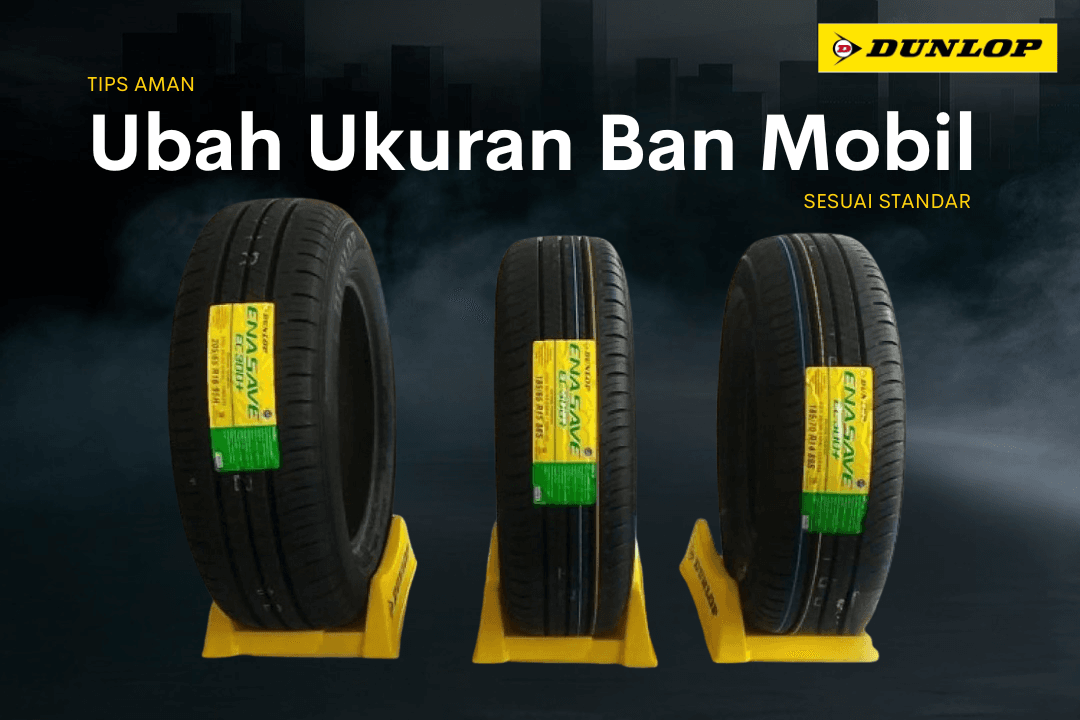
Have you ever thought about changing your car’s tire size for a sportier look or more aggressive performance? Or maybe you’re curious if a different tire size could make your ride more comfortable? Changing tire sizes isn’t as simple as just “matching a bigger wheel to a larger tire.”
Many drivers replace their tires without understanding the effects on performance, fuel efficiency, and safety systems. Tires that don’t meet the standard can lead to handling issues, increased fuel consumption, and even suspension damage.
This article will thoroughly explain why correct tire sizing matters, how to safely change tire sizes, and the benefits of following your car manufacturer’s standards.
The Importance of Correct Tire Size for Performance and Safety
What is Tire Size?
Car tire sizes are usually written in formats like 205/55 R16, which indicate the tire width (205 mm), aspect ratio (55%), radial construction (R), and rim diameter (16 inches). These numbers aren’t random—they are precise measurements designed to match the car’s overall system.
Why Tire Size Matters
Using the correct tire size significantly affects:
- Handling: Tires that are too large or too small can reduce steering responsiveness.
- Braking System: Incorrect diameters can cause brakes to perform less effectively.
- Fuel Efficiency: Wider tires increase rolling resistance, forcing the engine to work harder.
- Suspension Comfort: Incorrect sizes may damage suspension components over time.
How to Safely Change Tire Sizes
1. Check Your Car Manufacturer’s Manual
Always refer to your vehicle’s manual for recommended tire sizes. Most manuals list one or two alternative sizes that are safe to use.
2. Use a Tire Size Conversion Calculator
Ensure the new tire’s overall diameter does not differ by more than 2 steps from the original size to avoid problems with the speedometer, ABS, and transmission. Use online or mobile apps like TireSize.com.
3. Pay Attention to Aspect Ratio
Wider tires often require a lower aspect ratio to maintain the overall diameter. Keeping the diameter close to the original prevents major changes in ride height and handling.
4. Consult with a Tire Expert
Every car has a unique suspension and wheel-well space. Consult with a Dunlop tire specialist before making any changes.
Benefits of Sticking to Standard Tire Sizes
- Optimal Tire Performance: Properly sized tires deliver ideal traction, stability, and braking.
- Longer Component Lifespan: Suspension, brakes, and drivetrain parts wear less when matched with the correct tire size.
- Better Fuel Efficiency: Standard sizes help reduce engine load and save fuel.
- Higher Resale Value: Cars with factory-standard tire sizes are generally preferred by buyers.
Tips for Choosing the Right Tire Size
- Always follow your car manual’s specifications.
- Avoid extreme changes—use tools like TireSize.com to ensure safe limits.
- Choose trusted brands with a variety of size options.
- Match load index and speed ratings to the original tires.
- Check that the new tires won’t rub against the fenders.
Recommended Tires by Size and Usage
1. SP Sport LM705
 Asymmetric Tire for Maximum Comfort and Fuel Efficiency
The SP Sport LM705 features a Shinobi Pattern for noise and vibration reduction, offering a quiet and smooth ride. Its low rolling resistance compound improves fuel economy without sacrificing grip and stability, making it perfect for daily passenger vehicles.
2. Enasave EC300+

Eco-Friendly Tire with High Fuel Efficiency
The Enasave EC300+ is designed to optimize fuel consumption while minimizing environmental impact. Its low rolling resistance design ensures better stability and control, making it ideal for compact and mid-sized passenger cars in urban environments.
3. Dunlop Grandtrek AT5

Durable All-Terrain Tire for SUVs and Adventure
The Grandtrek AT5 is engineered for both on-road and off-road use, with deep, reinforced tread blocks for superior grip on various surfaces. Its strengthened sidewalls and long-lasting compound make it ideal for long trips, outdoor activities, and rugged conditions.
Conclusion
Changing your car’s tire size can improve appearance and performance, but it must be done carefully and within safe limits. Always follow the manufacturer’s standards, as tires impact not just looks but also safety and driving comfort.
Choose high-quality Dunlop tires for proven performance, comfort, and available sizes that meet factory standards. With the right tire selection, your driving experience will be safer, smoother, and more efficient.