

Does Your Car Often ‘Float’ When It Rains? Here’s the Explanation
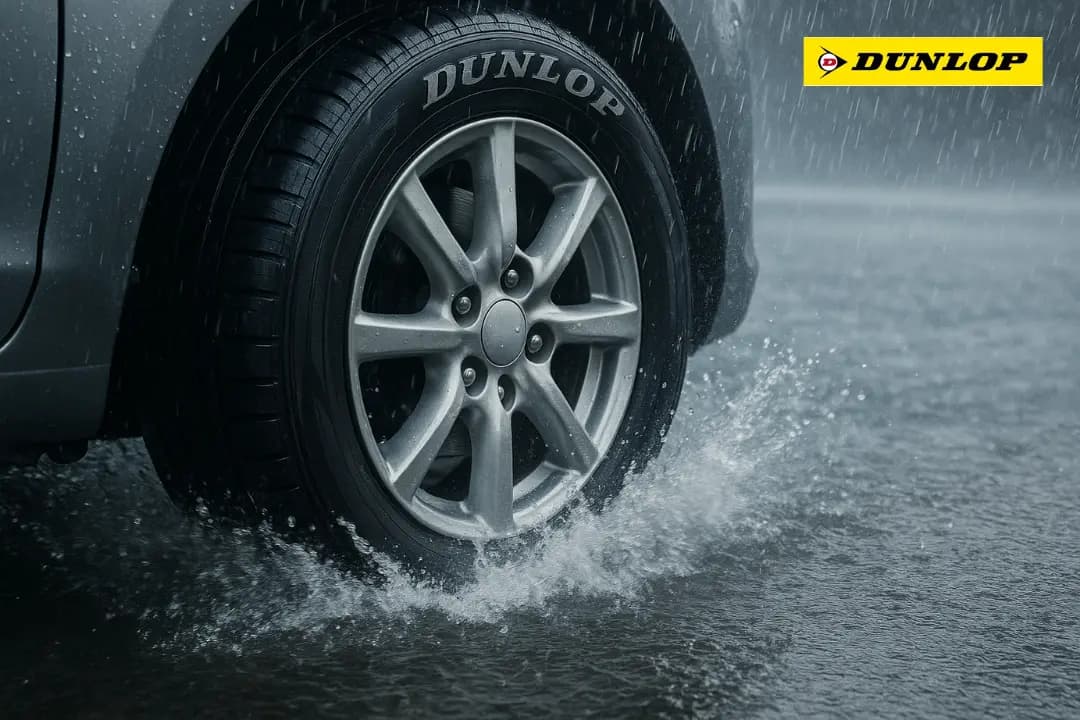
Drivemate, have you ever felt like your car is ‘floating’ or losing control when crossing puddles during heavy rain? If you have, don’t worry—you’re not alone. This phenomenon is called hydroplaning, and it can be life-threatening if not recognized and addressed immediately.
According to data from the Indonesian National Police's Traffic Corps (Korlantas Polri) in 2023, about 30% of traffic accidents in Indonesia occur when the roads are wet or it is raining. Unfortunately, many drivers don’t fully understand the main cause of losing vehicle control under these conditions. They often assume the issue comes from faulty brakes or a malfunctioning engine, but the real culprit is often tires that fail to grip the road well when it’s wet.
Hydroplaning, also known as aquaplaning, is a condition that is often overlooked, yet very dangerous and can lead to fatal accidents in just seconds. This article will explain what hydroplaning is, its causes, how to prevent it, and provide tips on choosing the right tires to avoid this condition, Drivemate!
What Is Hydroplaning and Why Is It Dangerous?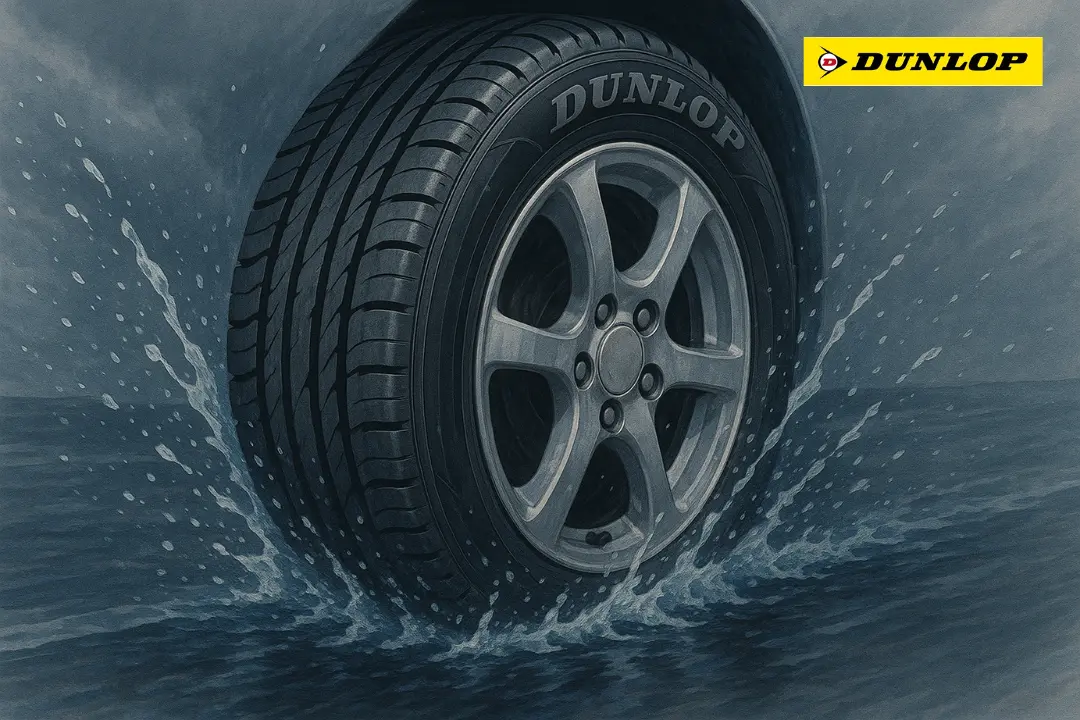
Definition and Mechanism
Hydroplaning occurs when a vehicle’s tires lose contact with the road surface due to a layer of water in between, causing the tires to feel like they’re ‘floating’ on water and leading to a loss of control of the vehicle. In this situation, the vehicle cannot be controlled normally—it cannot brake, steer, or be guided properly. This happens because the tire treads fail to effectively channel water away, trapping water between the tires and the road surface, creating a ‘slippery layer.’
Risks and Impacts
Hydroplaning can occur in mere seconds and cause the vehicle to swerve uncontrollably, skid, or crash into surrounding vehicles or objects. In many cases, hydroplaning happens without the driver even realizing it, as it only lasts a few seconds but is enough to cause a total loss of control.
Common Causes of Cars ‘Floating’ on Wet Roads
- Worn Tire Treads
Tires that are worn or thin are unable to channel water effectively. The tread of the tire works as a water channel to divert water from the road surface. When the treads are worn out, the water cannot be expelled, leading to hydroplaning.
Fact: Tires with a tread depth of less than 2 mm have up to 3 times the risk of hydroplaning compared to new tires. - High Speeds
The faster the car goes, the less time the tires have to press and expel the water beneath them. That’s why hydroplaning often occurs on highways during rain, as the vehicle speeds are relatively high. To understand more about tire speed ratings and their effects, read this article: Understanding Tire Speed Index and Its Impact. - Improper Tire Pressure
Incorrect tire pressure, whether too low or too high, can prevent the tire from making proper contact with the road, increasing the risk of hydroplaning.
Drivemate can check the proper tire pressure using the manual or the sticker on the driver’s door. Correct tire pressure helps the tires perform optimally, improving comfort and driving safety, as well as reducing the risk of hydroplaning. - Tire Design and Quality
It’s important to note that not all tires are designed for optimal performance on wet roads. Some tires are specially designed with tread patterns focused on wet road performance—allowing water to be expelled more quickly and providing stronger grip on wet roads.
Signs of Hydroplaning
Recognize the signs early so you can take quick action:
- The steering feels light or “lifted”
- The vehicle feels like it’s sliding or moving on its own
- The steering doesn’t respond when turned
- The car continues to move straight even when the steering is turned
Can All Cars Experience Hydroplaning?
Yes, all types of vehicles, from city cars, SUVs, to trucks, can experience hydroplaning. The risk is higher if the car:
- Frequently drives at high speeds
- Does not use tires with good wet grip specifications
Safe Tips to Avoid Hydroplaning
Here are some simple yet crucial preventative steps:
- Check Tire Pressure and Tread Regularly
Drivemate can use a tire pressure gauge and check the Tread Wear Indicator (TWI) on the tire to inspect tire wear. - Avoid High Speeds When It Rains
The recommended optimal speed during rain on highways is 60-70 km/h, or it can be adjusted based on road conditions, but avoid high speeds. Avoid extreme maneuvers to prevent slipping. - Use Quality Tires with Good Wet Grip
Choosing tires with optimal grip on wet surfaces is crucial for maintaining stability and safety when driving in rain or on slippery roads. Unfortunately, many drivers overlook this aspect.
Recommended Dunlop Tires with Maximum Grip on Wet Roads
Here are three Dunlop tire models designed specifically to provide optimal grip on wet roads and minimize the risk of hydroplaning:
1. Dunlop Direzza DZ102
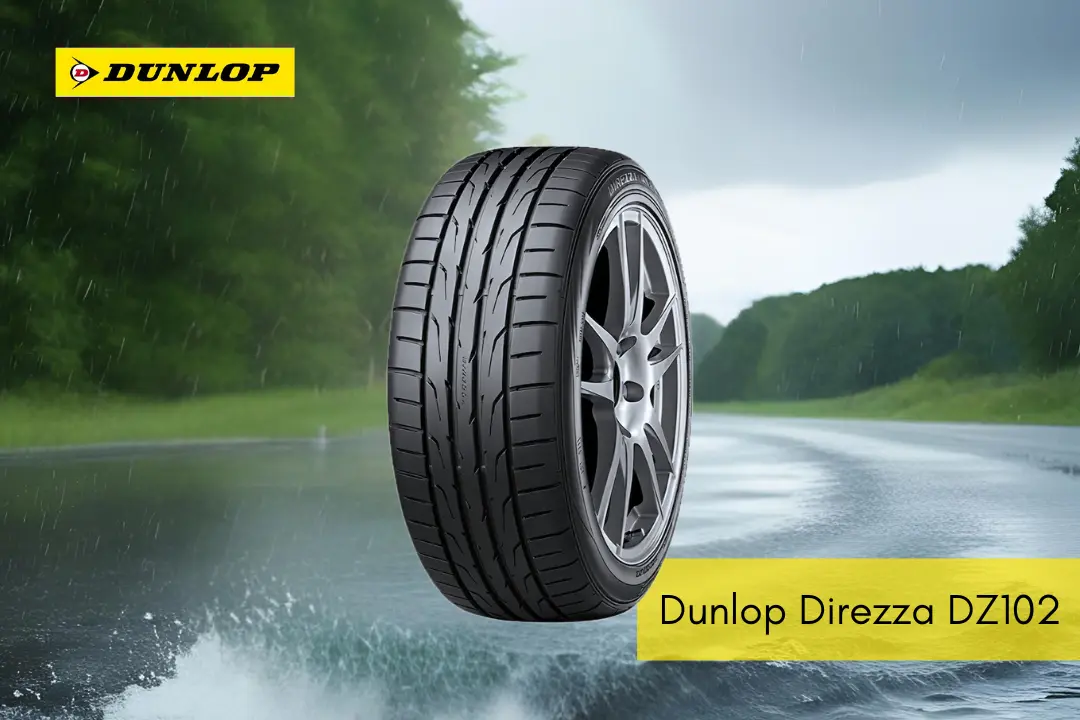
This tire features a new tread pattern equipped with brake slots and a new compound designed to optimize water drainage, maintain vehicle stability at high speeds, and enhance performance on wet roads. Ideal for those who enjoy sporty performance but want safety while driving in rain or on wet roads.
Advantages:
- High grip
- Sporty design
- Stable at high speeds
- Ideal for sedans and hatchbacks
2. Dunlop SP Sport LM705
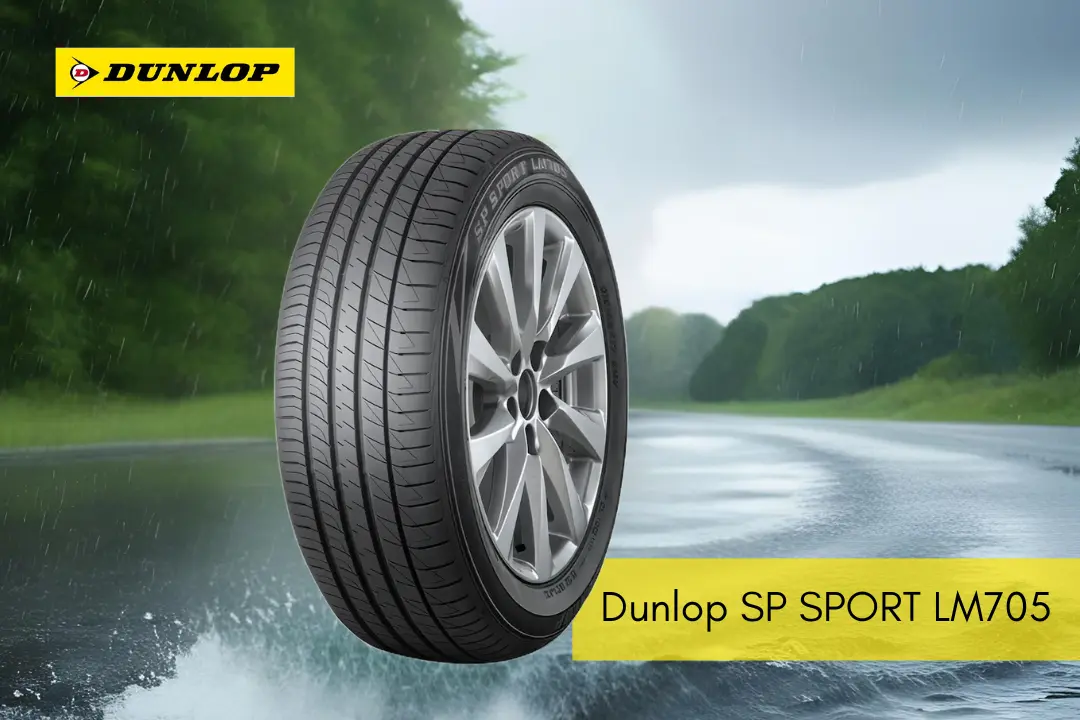
If you’re looking for a premium tire for daily comfort with reliable wet road performance, the SP Sport LM705 is the perfect choice. This tire is designed using Shinobi Technology to reduce noise and provide maximum quietness while driving. The SP Sport LM705 also features a new tread design that ensures faster water expulsion and maintains stability in rainy conditions.
Advantages:
- Comfortable and quiet (Shinobi Technology)
- High grip in wet conditions
- Stable at high speeds
- Long-lasting
- Ideal for sedans, MPVs, and city cars
- Great for family car users, daily drivers, and those who seek maximum comfort and safety in the rain.
3. Dunlop Grandtrek AT5
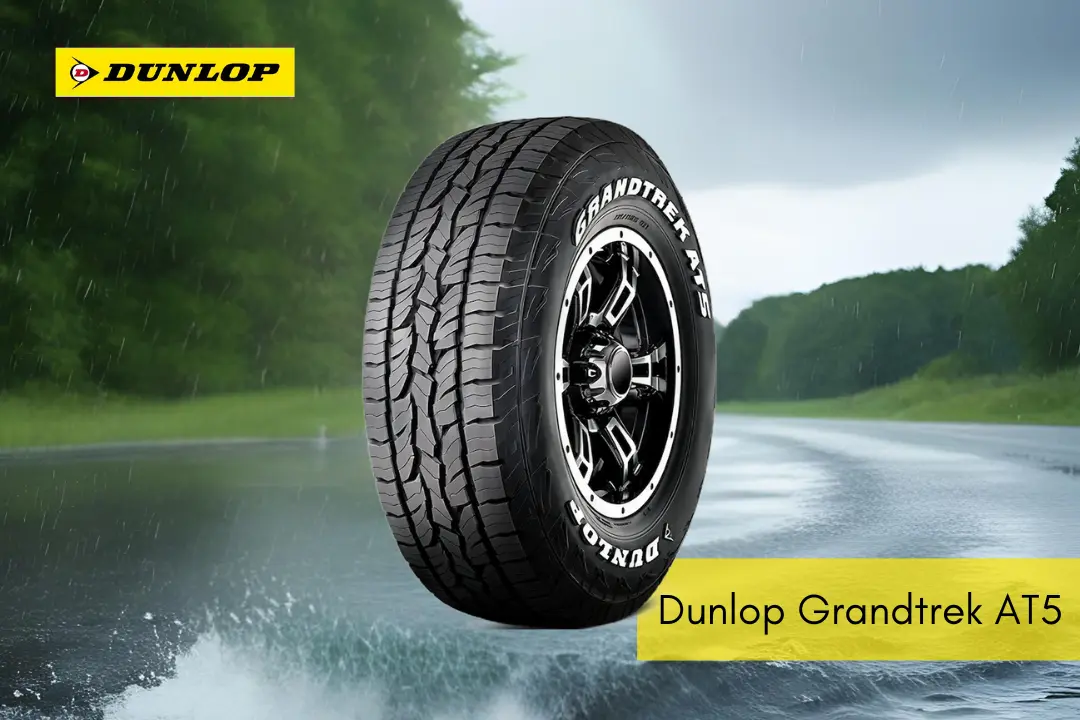
If you’re an SUV user or often travel on mixed roads, the Grandtrek AT5 is the ideal choice. This all-terrain tire is perfect for various terrains, featuring a new tread design and compound that effectively channels water on wet roads, provides strong grip, and quickly expels stones and mud when crossing rough or off-road terrain.
Advantages:
- Stable on various surfaces (asphalt & semi-offroad)
- Strong durability and long-lasting
- Ideal for adventures and extreme weather conditions
Frequently Asked Questions (FAQ)
- Can new tires experience hydroplaning?
Yes, although it is less common. If the tire pressure is incorrect or if the speed is too high, even new tires can experience hydroplaning. - Can ABS and other safety features prevent hydroplaning?
Not directly. ABS only helps prevent the brakes from locking, but the tires still need to have strong grip to prevent hydroplaning. - What’s the minimum tread depth to be safe in the rainy season?
Ideally, it should be above 3 mm. If the tread is nearing the TWI indicator, it’s best to replace the tires. Using worn-out tires increases the risk of accidents, including hydroplaning when driving on wet roads.
Conclusion
Hydroplaning is one of the greatest risks when driving in the rain, and drivers often overlook it. From worn tire treads, high speeds, to improper tire designs—all can cause the car to feel like it’s ‘floating’.
The solution? Use high-quality tires with special tread designs for wet roads. Dunlop products like the Direzza DZ102, SP Sport LM705, and Grandtrek AT5 have proven to deliver outstanding performance even in wet road conditions.
Want safer driving in the rain? Choose the right tires for your car only at Dunlop Indonesia!
Consult your tire options at the nearest Dunlop Shop. Visitwww.dunlop.co.id to find a Dunlop Shop near you and discover the right tire specifications for your comfort and driving safety.