

Essential Car Electrical Components That Should Be Checked Regularly
Understanding Car Electrical Components
Car electrical components play a vital role in supporting various vehicle functions, from starting the engine and powering lights to charging the battery and supporting the ignition system. Without a properly functioning electrical system, a vehicle may become difficult to start, headlights may dim, electronic features may malfunction, or the car may even break down during use.
In modern vehicles, the electrical system involves much more than just the car battery and wiring. Multiple interconnected components work together, including the alternator, fuses, starter motor, ignition coil, spark plugs, sensors, and electrical protection devices. Therefore, regular inspections are essential to prevent minor issues from developing into more serious problems.
A car electrical system can be understood as a network of components that generate, store, distribute, and regulate electrical current throughout the vehicle. This electrical power is necessary for starting the engine, operating the lights, activating the horn, and ensuring comfort and convenience features function properly.
Functions of a Vehicle Electrical System
The primary function of a vehicle's electrical system is to provide electrical power to components that require energy.
When the engine is off, the battery serves as the main power source. Once the engine starts, the alternator takes over by generating electricity and recharging the battery.
The electrical system also plays a critical role in driving safety. Headlights, brake lights, turn signals, windshield wipers, horns, and dashboard indicators all depend on a stable electrical supply. If electrical power is interrupted, drivers may lose important functions that support visibility and communication on the road.
In addition, the electrical system directly affects engine performance, particularly through the ignition system. In gasoline-powered vehicles, the ignition system generates the spark required to ignite the air-fuel mixture inside the combustion chamber. If this system malfunctions, the engine may misfire, become difficult to start, or experience reduced fuel efficiency.
Main Car Electrical Components
Car Battery
The car battery stores electrical energy and supplies power when the engine is not running. It plays a crucial role during engine startup, lighting operation, and the use of electronic features while the vehicle is stationary.
A weak battery is often indicated by slow engine cranking, dim headlights, or unstable electronic functions. For conventional flooded batteries, electrolyte levels should be checked regularly. For maintenance-free batteries, inspection focuses on voltage levels and terminal conditions.
Alternator
The alternator generates electricity while the engine is running. It uses engine rotation to produce electrical current, which is then supplied to the battery and the vehicle's electrical system.
A faulty alternator can cause the battery to drain quickly due to insufficient charging. Common symptoms include a battery warning light, dim vehicle lights, or a vehicle that suddenly stalls after being difficult to start.
Car Fuses
Car fuses protect electrical circuits from excessive current or short circuits. When an electrical overload occurs, the fuse blows to prevent damage from spreading to other components.
Because fuses are designed as protective devices, they should never be replaced with incorrect ratings. If a fuse repeatedly blows, the root cause may involve damaged wiring, loose connectors, or components drawing excessive current. A thorough inspection is necessary to prevent recurring problems.
Starter Motor
The starter motor rotates the engine during the initial starting process, allowing combustion to occur. When the ignition key is turned or the start button is pressed, the starter motor operates using power supplied by the battery.
A vehicle that is difficult to start is not always suffering from battery problems. Issues may originate from the starter motor, relay, ground cables, corroded battery terminals, or ignition system components. Proper diagnosis requires a systematic inspection process.
Ignition System
The ignition system consists of components such as the ignition coil, spark plugs, spark plug wires, and ignition modules on certain vehicles. Its function is to generate sparks inside the combustion chamber so the engine can operate properly.
Problems within the ignition system may result in engine hesitation, reduced acceleration, difficult starting, or increased fuel consumption. In severe cases, ignition failure can cause the engine to stall unexpectedly.
Electrical Wiring and Connectors
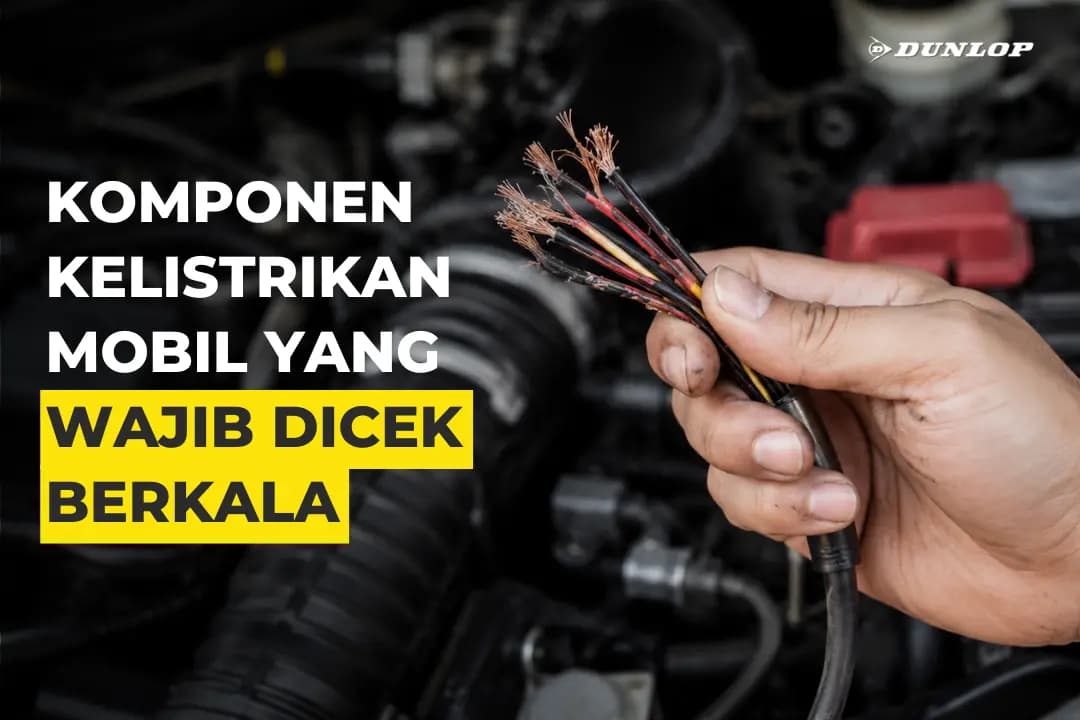
Electrical wires and connectors distribute power throughout the vehicle. These components are often overlooked during maintenance, yet brittle wiring, loose connectors, or corroded terminals can significantly disrupt electrical flow.
Poor wiring conditions can also increase the risk of short circuits. During routine maintenance, wiring, connectors, and terminals should be inspected carefully, particularly in older vehicles.
Vehicle Lights and Dashboard Indicators
Headlights, brake lights, turn signals, interior lights, and dashboard indicators are all part of the vehicle's electrical system.
Lighting components provide not only illumination but also communication with other road users.
Dashboard warning lights should never be ignored. Indicators related to the battery, engine, or other systems may provide early warnings of electrical or mechanical issues.
How the Battery and Alternator Work Together
The battery and alternator function as a team.
Before the engine starts, the battery provides power to the starter motor and electronic systems. Once the engine is running, the alternator generates electricity using engine rotation.
The alternator supplies power to the vehicle's electrical systems while simultaneously recharging the battery. This ensures the battery remains ready for future engine starts.
If either component fails, the electrical system can be compromised. A weak battery makes starting difficult, while a faulty alternator prevents proper battery charging. This is why regular battery voltage and alternator output inspections are important.
Signs of Electrical System Problems
Several warning signs may indicate electrical issues within a vehicle.
One common symptom is difficulty starting the engine, especially in the morning or after the vehicle has been unused for an extended period. This issue is often related to the battery, starter motor, or connecting cables.
Another sign is dim, flickering, or unstable lighting. If headlight brightness changes with engine speed, there may be a charging system or wiring issue.
Malfunctioning electronic features can also indicate electrical problems. Examples include slow power windows, sudden audio system shutdowns, weak horn performance, or dashboard warning lights activating unexpectedly.
If any of these symptoms appear, an inspection should be performed before undertaking long-distance travel.
Common Causes of Starting Problems
Difficulty starting a vehicle can result from several factors.
The most common cause is a weak battery or corroded battery terminals. Corrosion can restrict electrical flow, preventing sufficient power from reaching the starter motor.
Starter motor wear, faulty relays, or loose ground cables can also prevent the engine from responding when started.
In some cases, ignition or fuel delivery systems may be responsible. If the starter motor turns normally but the engine does not start, inspection should include spark plugs, ignition coils, sensors, and fuel system components.
Understanding these potential causes allows for more accurate repairs.
Tips for Maintaining a Car Electrical System
Electrical system maintenance can begin with regular battery inspections.
Ensure battery terminals remain clean, free of corrosion, and securely connected. For flooded batteries, maintain electrolyte levels according to manufacturer recommendations. If the vehicle is rarely used, start the engine periodically to allow the battery to recharge.
Avoid installing excessive electrical accessories that exceed the vehicle's design specifications. Additional lighting, high-powered audio systems, or aftermarket electronics can place excessive strain on the battery and alternator.
Inspect wiring and connectors regularly. Look for damaged insulation, loose connections, or signs of overheating.
If a fuse blows, replace it only with the correct rating and investigate the cause. Installing a higher-capacity fuse without proper diagnosis can increase the risk of component damage.
In addition to electrical maintenance, vehicle safety systems such as brakes, tire pressure, and tire condition should also be monitored regularly.
When Should You Check Your Vehicle's Electrical System?
The electrical system should be inspected during routine maintenance services.
Additional inspections are recommended before long journeys, after extended periods of vehicle inactivity, or when symptoms such as difficult starting, dim lights, battery warning indicators, or unstable electronics appear.
Electrical checks should also be performed after installing aftermarket accessories to ensure power demands remain within system capacity.
For older vehicles, wiring, connectors, fuses, and alternator output should be inspected more thoroughly because electrical components naturally deteriorate due to heat, age, moisture, and vibration.
Conclusion
Car electrical components play a crucial role in ensuring vehicles start easily, operate comfortably, and remain safe to drive.
Components such as the battery, alternator, fuses, starter motor, ignition system, wiring, connectors, and lighting systems should be inspected regularly to identify potential issues early.
Maintaining the electrical system does not require waiting for problems to occur. Simple habits such as cleaning battery terminals, monitoring dashboard indicators, using accessories appropriately, and following routine service schedules can help maintain optimal vehicle performance.
In addition to electrical components, tire condition should also be monitored because tires are the only part of the vehicle that directly contacts the road surface. For daily driving that prioritizes comfort and handling, DUNLOP Blue Response TG can be a suitable tire choice. Always use tire sizes recommended by the vehicle manufacturer and perform routine inspections to maintain a safe and comfortable driving experience.