

How to Avoid Hydroplaning on Wet Roads
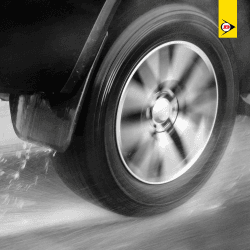
Driving on wet roads requires extra vigilance because the risk of accidents is higher. This is because standing water on wet roads can make it difficult for the tires to touch the asphalt, which ultimately causes hydroplaning.
Hydroplaning is a condition where the tires of a four-wheeled vehicle float above the road surface because they are unable to clear puddles of water. This causes the car tires to lose grip on the asphalt, causing the driver to lose control and risk an accident. When the vehicle is moving fast, the car's lifting power becomes greater. Finally, traction The surface of the tire tread with the road surface will be less.
Apart from that, hydroplaning can also be caused by vehicle wheels that are not suitable for use or are worn out. This condition can be seen from the tire tread pattern which is starting to thin. This condition of car tires is not able to properly break up puddles of water on wet road surfaces. Therefore, it is very important to pay attention to the condition of your car tires. Here are several ways to avoid hydroplaning on wet roads.
Make sure the tire tread is still thick
Tires with worn or thin tread patterns cause a greater risk of hydroplaning when driving on wet roads. Therefore, before driving, make sure your tires are still in prime condition with thick treads. You also need to make sure your car tires have a tread pattern that functions effectively to break up puddles and remove water when vehicles pass.
Check the tire pressure
Apart from making sure the tire tread is still thick, you also need to check your tire pressure. Car tire pressure can also affect the tire's grip on the asphalt. Therefore, the air pressure must be in the ideal position according to factory standards, neither more nor less.
Regularly rotate tires
Every tire on a car does not wear the same. Some positions can wear out more quickly, while others wear out more slowly. If your car tires wear unevenly, you don't actually need to replace them straight away. You can rotate the tires first. Tire rotation is recommended carried out every 10,000 km or following the recommendations of the car manufacturer (periodic maintenance manual).
Avoid driving at high speed
The next way to avoid hydroplaning is to reduce vehicle speed. Avoid driving at high speed when the road conditions are wet, because this can make it difficult for the tire tread rubber to touch the asphalt and the vehicle will easily slip.
Try not to brake suddenly
When driving on wet roads or in rainy conditions, try not to brake suddenly. Sudden braking risks causing the tires to lock up which ultimately makes the car slide uncontrollably.
Maintain maneuverability while driving
To prevent hydroplaning, maintain maneuverability while driving. Hold the steering wheel of your car tightly and make sure the car is under control in good and stable condition. Avoid driving at high speed and sudden braking. Drive with more concentration when passing through puddles and rainy conditions.
Now you know how to avoid hydroplaning. It can be seen that one important factor that needs to be considered to prevent hydroplaning is the condition of your car tires. It's best to install car tires from the start that are designed to have “anti-hydroplaning” such as the range of products available at Dunlop, one of which is the Dunlop SP SPORT MAXX 050+.
With an asymmetrical tread pattern design, high tread block stiffness, a new compound and optimal water flow, the Dunlop SP SPORT MAXX 050+ provides high performance in wet road conditions. The risk of hydroplaning can also be minimized, so that you can enjoy excellent driving safety and comfort.
However, even though we are using tires that have “anti-hydroplaning” capability, we still need to maintain speed, always pay attention to the condition of the tires, and be full of concentration when driving on wet road conditions so that driving safety is maintained.