

Know Your Tire Damage on Long Trips for Maximum Safety
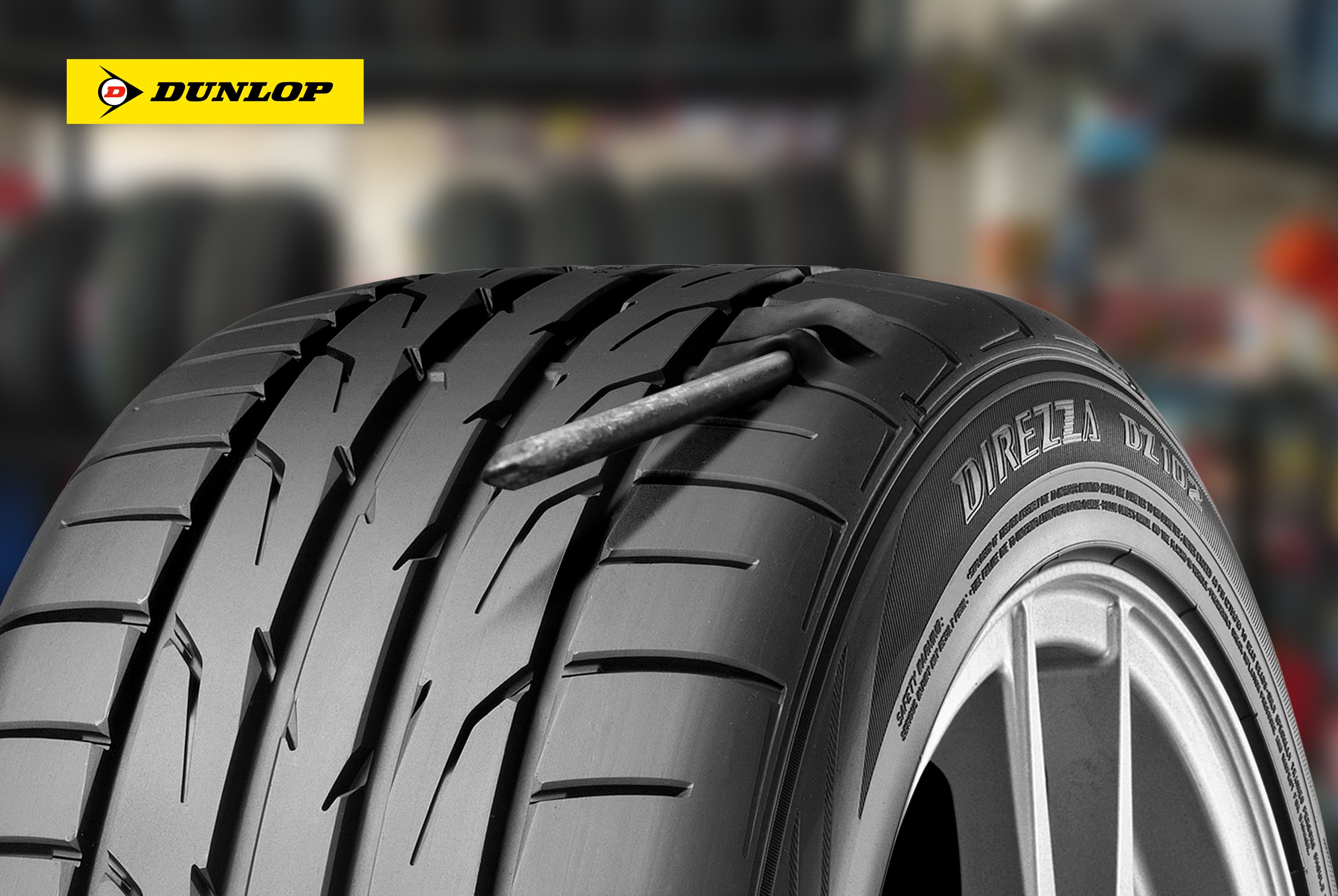
Drivemate, have you ever felt worried about the condition of your vehicle’s tires when taking a long trip? Did you know that tire damage is one of the main causes of accidents on the road? According to the Korlantas Polri report (2023), out of a total of 103,645 traffic accident cases in Indonesia, around 25,476 cases (24.6%) were caused by technical vehicle factors, with tire damage being the largest contributor (31%).
Imagine you are on a long trip and suddenly your car tire bursts due to improper air pressure. Such a situation not only disrupts your journey but also endangers your safety and that of your passengers.
Tires are vital components that support the entire weight of the vehicle and are in direct contact with the road surface. However, many drivers often ignore signs of tire damage, such as cracks, leaks, or improper tire pressure. In fact, small damages that are not immediately addressed can turn into big problems, especially when you are on a long trip.
This article will discuss in depth the types of tire damage, their causes, how to prevent them, and tips for maintaining tires to keep them durable. By understanding these things, you can ensure your trip is safer and more comfortable.
Why Should Tire Damage Be Watched Out For?
Tires are the only part of the vehicle that directly contacts the road surface. The condition of the tires not only affects driving comfort but also your safety and that of your passengers. Tire damage such as leaks, wear, or cracks can reduce traction, increase the risk of slipping, and even cause tire blowouts.
One common misconception is that tires only need to be replaced when they are completely worn out. In fact, cracked tires or improper tire pressure can also be dangerous. For example, too low tire pressure can cause the tire to overheat, while too high tire pressure reduces the tire’s contact area with the road, thus reducing traction.
Common Types of Tire Damage
1. Punctured Tires
Punctured tires are a problem often experienced by drivers, especially on roads filled with nails or glass shards. Small punctures may not be immediately felt, but if left untreated, tire pressure will continue to drop, and the tire can lose balance.
What Should Be Done?
- Immediately stop the vehicle if you feel the tire is losing air pressure.
- Use a jack to replace the tire with a spare or take it to the nearest workshop.
2. Worn Tires
Tire wear occurs due to continuous friction with the road surface. Signs include thinning tread or uneven tread patterns. Worn tires reduce grip, especially on wet or slippery roads.
What Should Be Done?
- Regularly check tread depth. If the tread depth is less than 1.6 mm, it is recommended to replace the tire immediately.
- Rotate tires every 5,000-10,000 km to even out wear.
3. Cracks on Tire Sidewalls
Cracks on tire sidewalls are usually caused by old tires or prolonged exposure to sunlight. Cracks can weaken the tire structure and potentially cause blowouts.
What Should Be Done?
- Avoid parking under direct sunlight for long periods.
- If cracks are visible, replace the tire immediately to avoid blowout risks.
4. Improper Tire Pressure
Tire pressure that is too low or too high can cause tire damage. Low pressure makes tires heat up and wear out faster, while high pressure reduces the tire’s contact area with the road, decreasing traction.
What Should Be Done?
- Check tire pressure at least once a month using a pressure gauge.
- Ensure tire pressure matches the vehicle manufacturer’s recommendation found in the vehicle manual or on the sticker on the driver’s door.
Common Causes of Tire Damage
CauseDescriptionPoor Road Conditions | Potholes or rocky roads can cause hard impacts that damage tire structure.
Overloading | Carrying loads beyond tire capacity increases pressure, causing faster wear or blowouts.
Lack of Routine Care | Neglecting regular pressure checks or ignoring damage signs worsens tire condition.
Extreme Weather | Extreme heat or cold affects tire pressure and reduces tire quality.
Tips to Prevent Tire Damage
- Regularly Check Tire Pressure: Use a pressure gauge to ensure accuracy and maintain recommended pressure.
- Rotate Tires Regularly: Rotate every 5,000-10,000 km to even out wear and extend tire life.
- Avoid Overloading: Do not exceed the recommended vehicle load capacity.
- Inspect Tires Before Long Trips: Check for cracks, leaks, or severe wear before traveling.
- Store Spare Tires Properly: Keep spare tires in a dry, cool place away from direct sunlight.
Recognizing Signs of Tire Damage
- Unusual Vibrations: May indicate tire damage or imbalance.
- Unusual Noise: Buzzing or humming sounds can signal wear or improper pressure.
- Abnormal Tire Shape: Bulges or cracks on sidewalls are serious damage signs.
- Vehicle Pulling to One Side: Could indicate unbalanced tires or uneven pressure.
Frequently Asked Questions About Tire Damage
- Should Spare Tires Be Checked?
Yes, spare tires need regular checks for pressure and physical condition. Neglected spares may be useless when needed. - How to Know the Correct Tire Pressure?
The correct pressure is usually listed in the vehicle manual or on the sticker on the driver’s door.
Choose Quality Tires for Safe Trips
To avoid unwanted tire damage, it is important to choose high-quality tires. Dunlop, as one of the leading brands in the automotive industry, offers various tire options designed for optimal performance and high durability. With advanced technology, Dunlop tires provide good traction, driving comfort, and resistance to various road conditions.
Conclusion
Tire damage is a serious problem that can endanger driving safety, especially during long trips. By recognizing the types of tire damage, their causes, and how to prevent them, you can ensure a safer and more comfortable journey. Always check tire conditions regularly, including tire pressure, and make sure to choose quality tires like Dunlop for the best performance.
Feel free to explore Dunlop’s tire collection at www.dunlop.co.id and find the right tires for your vehicle. Safe driving!