

Tire Load Index
Did you know that choosing the wrong tire can damage your vehicle and endanger safety? One thing often overlooked or even unknown by vehicle owners is the tire load index, even though this is an important factor to support performance and safety while driving. According to data from the Indonesian Ministry of Transportation, traffic accidents caused by vehicle technical failures increase by 12% every year, and choosing tires that do not match the vehicle's load is one of the main causes. Therefore, understanding the tire load index is not just a choice but an obligation for every driver who wants to maintain performance and safety on the road.
In this article, we will thoroughly discuss what the tire load index is, how to read it, its impact on vehicle performance, and tips for choosing tires according to vehicle load. We will also answer common questions related to the load index so you can make the best decision.
What is Tire Load Index?
The tire load index is a number that indicates the maximum capacity of a tire to carry weight when the vehicle is moving at a certain speed. This number is usually printed on the tire sidewall, near the tire size information. For example, if a tire has a load index of 91, it means that one tire can carry a maximum load of 615 kg. For a vehicle with four wheels, the total load capacity is 4 x 615 kg = 2460 kg. So, a 4-wheel car with a load index of 91 has a maximum load capacity of 2460 kg.
To understand the meaning of the load index number, you can refer to a tire load index conversion table:
The higher the load index number, the greater the tire's load capacity.
How to Read the Load Index Code on Tires
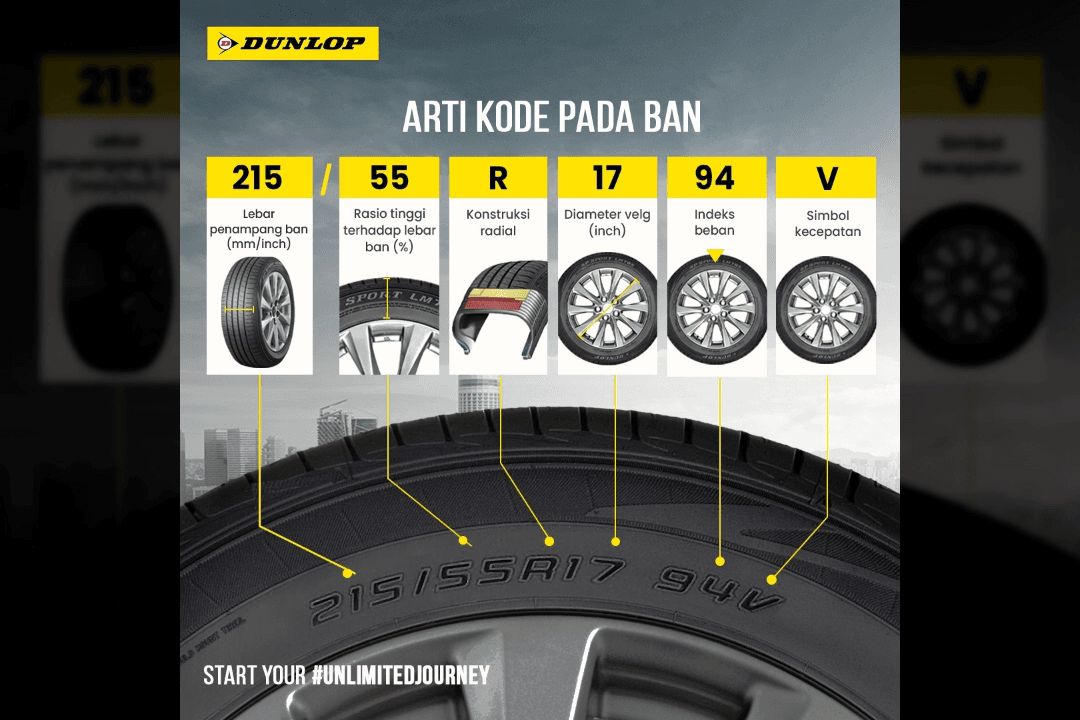
Usually, the load index information is printed on the tire sidewall in a format like this:
205/55 R16 91V
Explanation:
- 205: Tire width in millimeters
- 55: Aspect ratio (height/width x 100%)
- R16: Rim diameter (in inches)
- 91: Load index
- V: Speed rating code
Why is Load Index Important?
The load index is not just a number; it is a safety and efficiency factor. Here’s why:
- Avoid overloading: Tires carrying more load than their capacity wear out quickly and risk blowouts while driving.
- Maintain vehicle stability: Tires with the correct load index distribute weight evenly.
- Fuel efficiency: Tires with the right load index reduce friction and fuel consumption.
Choosing tires with the correct load index is crucial. Incorrect load index, whether too low or too high, can cause:
- Increased fuel consumption because tires operate outside their optimal capacity.
- Higher risk of tire damage or blowouts, especially when carrying full loads.
- Reduced driving stability and comfort due to inadequate load support.
- Faster tire wear and overheating due to excessive pressure and temperature.
- Impaired braking control because excess load affects vehicle response.
- Decreased handling and suspension performance due to increased tire stiffness not suited to the vehicle.
Ideal Load Index for Everyday Vehicles
The ideal load index varies depending on the vehicle type and usage:
Vehicle Type Recommended Load Index RangeMPV (Multi-Purpose Vehicle) | Usually above 90
SUV | Recommended above 94
City Car | Generally around 82-85
Note: You can find the recommended load index for your vehicle in the vehicle manual or on the driver’s door sticker.
Differences Between Car and Motorcycle Load Index
Although the load index principle applies to all tires, there are fundamental differences:
AspectCar TiresMotorcycle TiresLoad Index Range | Higher (due to heavier vehicles) | Lower (usually 50–70)
Speed Rating | Often combined (e.g., 91H, 94V) | Different format (e.g., 100/80-17 52P)
Dunlop offers a variety of tires for cars and motorcycles that comply with Indonesia’s tire load standards. You can check their official website at dunlop.co.id to find the best tires for your vehicle.
Does Load Index Affect Maximum Speed?
Indirectly, yes.
The load index does not indicate speed but is always paired with a speed rating on the tire code. For example:
- 91H → load index 615 kg with a speed limit up to 210 km/h
- 94V → load index 670 kg with a speed limit up to 240 km/h
If you choose a tire with a high load index but a low speed rating, the vehicle’s speed performance may still be limited.
How to Choose the Right Load Index?
Here are tips for selecting the correct tire load index:
- Check the Vehicle Manual
The manufacturer calculates the ideal weight and load index. Always refer to your vehicle’s manual. - Consider Additional Load
If you often carry full passengers or heavy cargo, choose tires with a higher load index than the standard. - Avoid Too Low or Too High Load Index
Choosing too low a load index risks safety because the tire cannot support the vehicle’s weight properly.
Conversely, too high a load index can make the tire feel harder, reducing driving comfort. Always follow the manufacturer’s recommended load index.
FAQ: Common Questions About Tire Load Index
- Does load index affect driving comfort?
Yes. A load index that is too high can make tires stiffer, reducing comfort. - Is it okay to use a load index higher than the standard?
Yes, as long as it’s not extreme. Tires with a higher load index offer more durability, especially if you carry heavy loads often. - What is the relationship between load index and speed?
Load index is paired with speed rating. Together, they indicate the safe load capacity at certain speeds. - What happens if I use tires with too low a load index?
Tires wear out faster, risk blowouts under heavy loads, and endanger safety. - Should all four tires have the same load index?
Ideally, yes, to maintain even load distribution, safety, and prevent vehicle damage. In some cases, such as front- or rear-wheel drive, slight differences are acceptable if within safe limits and manufacturer recommendations.
Conclusion: Choose Tires According to Your Vehicle’s Load
The tire load index is a crucial factor that determines a tire’s ability to support the vehicle’s weight. By understanding the load index number, tire load capacity, and standards, you can avoid dangerous tire overload risks and minimize accident chances.
Choosing the right load index is not just about performance but also about safety and driving comfort. To ensure your choice matches your vehicle’s needs and specifications, you can consult with expert technicians at the nearest Dunlop Shop. Visit a Dunlop Shop now and find the best tires for your vehicle! Let’s start your #UnlimitedJourney.