

Car Tire Maintenance and the Importance of Routine Inspections
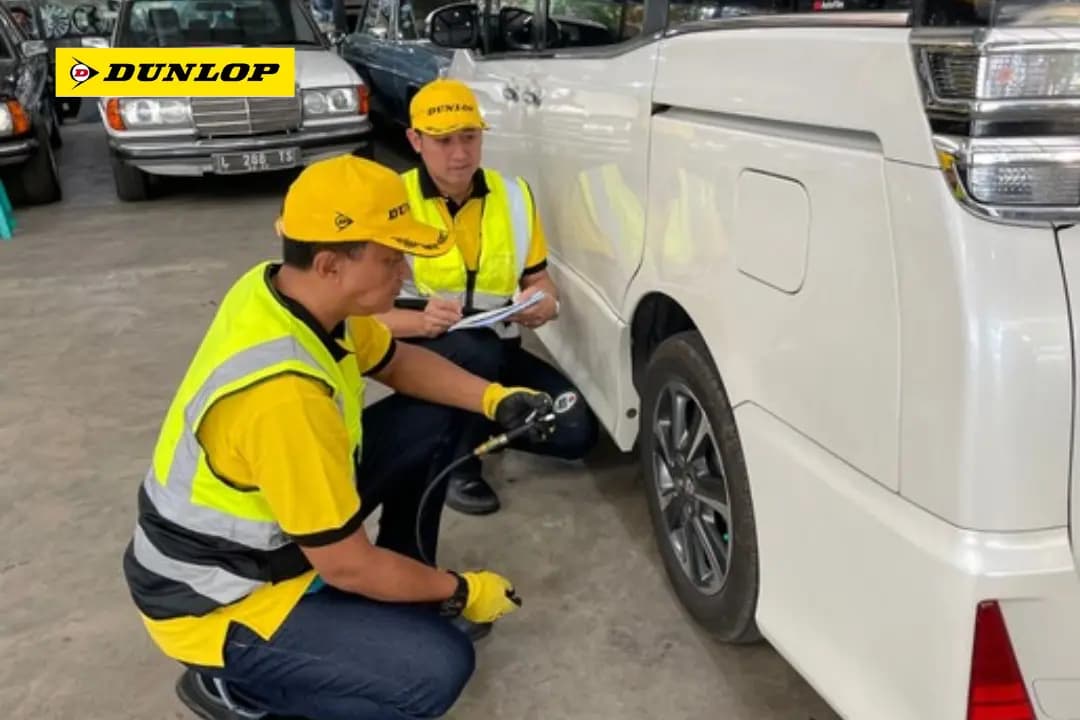
Why is Car Tire Maintenance Often Overlooked?
Drivemate, have you ever wondered how many drivers in Indonesia regularly check the condition of their car tires? According to data from the Integrated Road Safety Management System (IRSMS) Korlantas Polri, between January and October 2024, there were 220,647 traffic accidents recorded in Indonesia, with 22,970 resulting in fatalities. One of the main causes of these accidents is technical negligence, including tires that are no longer fit for use.
Ironically, tire inspection is still not a common habit for many drivers, even though tires are the only component of the car that comes into direct contact with the road surface. Many people still think, "If the tire isn’t bald, it's safe" or "I’ll check it when it feels off." However, tire damage often occurs gradually and is not immediately visible, eventually leading to significant problems on the road.
This article aims to discuss the importance of routine car tire maintenance, answer common questions about tire care, and help you take concrete steps to ensure your vehicle remains safe and comfortable to drive. Read on, Drivemate!
The Importance of Routine Tire Inspections
Routine tire inspections are not just about safety, but also about comfort, fuel efficiency, and the overall durability of your vehicle’s tires. Here are some of the main reasons why Drivemate should start paying attention to your tire’s condition now:
- Preventing Fatal Accidents
Worn tires or improper tire pressure (either too low or too high) can cause your vehicle to lose traction, especially during the rainy season. This increases the risk of slipping or even experiencing a tire blowout while driving, especially at high speeds such as on highways. - Saving on Long-Term Costs
Well-maintained tires perform better and last longer, helping avoid additional damage to other components such as the suspension, vehicle frame, and rims. Start taking care of your tires now to avoid costly repairs, Drivemate! - Improving Vehicle Performance
Tires in good condition offer better handling, a smoother driving experience, and optimal control, whether on straight roads or when maneuvering turns.
Routine Tire Maintenance Recommendations
Here’s a checklist of tire maintenance that Drivemate should perform regularly:
- Check Tire Pressure
Proper tire pressure is crucial for vehicle stability and efficiency. According to data from Energy.gov, low tire pressure can reduce fuel efficiency by up to 10% and accelerate tire wear.- Tips:
- Check every two weeks, especially before long trips.
- Perform the check when the tires are cold.
- Use an accurate digital or analog tire pressure gauge.
- Refer to your car’s manual for recommended tire pressure.
- Check every two weeks, especially before long trips.
- Tips:
- Rotate Tires Regularly
Tire rotation involves moving the tires to specific positions based on the vehicle’s drivetrain (FWD, RWD, AWD) to ensure even tire wear. Front tires usually wear faster because they carry the engine’s weight and steer the vehicle. If not rotated, tires will wear unevenly.- Rotate every 8,000-10,000 km or as per the car manufacturer’s recommendation. For more details, Drivemate can read the full article on Tire Rotation here!
- Rotate every 8,000-10,000 km or as per the car manufacturer’s recommendation. For more details, Drivemate can read the full article on Tire Rotation here!
- Wheel Alignment and Balancing
If your car feels shaky or unstable, your tires may not be balanced. Wheel alignment ensures the wheels are straight, while balancing ensures even weight distribution across the tires.- Signs that wheel alignment and balancing are needed:
- Steering wheel shakes at high speeds.
- Uneven tire wear.
- Car pulls to one side when driving straight.
- Steering wheel shakes at high speeds.
- Perform alignment and balancing every 6 months or after hitting a large pothole. For more information, read the related article on Wheel Alignment and Balancing here!
- Signs that wheel alignment and balancing are needed:
- Inspect Tire Treads and Sidewalls
Just because a tire looks fine doesn’t mean it’s safe. Conduct routine visual inspections:- Check the tread depth:
- Ensure it’s at least 1.6 mm deep.
- Use a tread depth gauge or the coin method.
- Ensure it’s at least 1.6 mm deep.
- Inspect the sidewalls:
- Look for cracks, bulges, or tears. If there are any signs of tire damage, replace the tire immediately to ensure safe driving.
- Look for cracks, bulges, or tears. If there are any signs of tire damage, replace the tire immediately to ensure safe driving.
- Check for cuts or punctures. If any damage is found, replace the tire right away to prevent accidents.
- Check the tread depth:
- Ensure Valve Caps Are On Properly
The valve cap might seem insignificant, but it plays an important role in maintaining tire pressure. Keeping the valve cap on ensures your tire pressure remains stable, making your ride more comfortable and safe. Make sure the valve caps are securely in place before driving, Drivemate!
Signs That Your Tires Need Replacing
- Tire Bulges
Bulges on the surface of your tire indicate internal damage. If left unchecked, this could lead to a tire blowout while driving at high speeds. - Cracked or Worn Tires
Cracks or uneven tire wear can indicate problems with tire pressure or the vehicle’s suspension. If wear is occurring on one side only, the wheels may not be aligned properly. - Vibration While Driving
Vibration can come from unbalanced or damaged tires. This might mean the tires need alignment, balancing, or there’s another issue. Don’t ignore it; consult with a trusted repair shop, such as your nearest Dunlop Shop.
- Tips: Check here to find your nearest Dunlop Shop!
Additional Tire Maintenance Tips
- Avoid Overloading Your Vehicle
Many drivers don’t realize that carrying too much weight can damage the tires. Always adhere to the maximum load capacity indicated in your vehicle manual, and don’t exceed it. For more information, Drivemate can read about load index and vehicle load capacity here! - Park in a Shaded Area
Long-term exposure to direct sunlight can cause the tires to crack. Park in shaded areas or use a vehicle cover if you must park outdoors. - Avoid Damaged Roads Unless Necessary
Potholes, sharp stones, or uneven roads can slowly damage your tires. If you must drive on rough roads, reduce your speed and avoid hard impacts.
Frequently Asked Questions about Car Tire Maintenance
- Do Tubeless Tires Need Maintenance?
Yes! Although tubeless tires are less prone to punctures, they still need regular maintenance, including checking tire pressure, tread condition, and wheel balance. - Do I Need to Replace All Tires at Once?
Ideally, replace at least a pair of tires (two tires), especially for the same axle (front or rear), to maintain balance and vehicle performance. - When Is the Best Time for Tire Inspection?
Routine inspections should be done in the morning when the tires are cold. Don’t wait until you feel something is wrong with your vehicle’s handling.
Conclusion
Tire maintenance might seem trivial, but its impact on safety, efficiency, and driving comfort is immense. By regularly checking tire pressure, rotating tires, and performing alignment and balancing, you can avoid many risks, the most dangerous being accidents.
Well-maintained tires not only provide a sense of security but also offer better comfort and efficiency while driving. Don’t wait until your tires are damaged—make tire checks a part of your driving routine.
If you’re looking for high-quality tires with long-lasting durability suitable for various road conditions in Indonesia, Dunlop tires are the right choice for your vehicle! Dunlop offers a variety of tire options designed specifically for maximum comfort and durability on Indonesian roads, ensuring a safe and comfortable driving experience, Drivemate.
Visit the official Dunlop Indonesia website to select the best tire suited to your vehicle's needs.