

Tips to Improve Road Safety While Driving
Driving safety is the responsibility of all road users, including car drivers, motorcyclists, and pedestrians. However, did you know that according to data from Korlantas Polri, more than 120,000 traffic accidents occurred in Indonesia in 2023? The majority of these accidents were caused by human error, which could actually be prevented through safe driving habits and optimal vehicle preparation.
This fact highlights the ongoing need for education on driving safety. Many still think that as long as they can drive and own a vehicle, they are ready for the road. In reality, driving safety is not just about driving skills but also about mindset, behavior, and maintaining the vehicle in top condition, especially the tires, which are often neglected.
In this article, we will discuss practical and easy-to-follow tips to improve your safety while driving on the road. Let’s start with some basic habits that many drivers tend to forget. Read this article to the end and make sure you become a role model for safe and orderly driving, just like the tips below, Drivemate!
The Importance of Safe Driving Habits
Before diving into driving techniques, we need to understand that safety starts with habits and mindset. Drivers who prioritize safety are more alert and responsible on the road.
A defensive mindset, such as anticipating mistakes from other road users, and the awareness that we are responsible not only for our own safety but also for others, forms the foundation of safe driving.
After understanding the importance of habits and mindsets that promote safety, let's now discuss 8 tips that have a significant impact on our safety on the road:
1. Always Wear Your Seatbelt—Never Underestimate It!
A seatbelt is not just an accessory; it is a basic safety device that can save lives. According to the WHO, wearing a seatbelt can reduce the risk of death for both the driver and front passengers by up to 45%.
In Indonesia, many still neglect the importance of seatbelts, especially for rear passengers. In the event of an accident, a rear passenger not wearing a seatbelt could become a dangerous projectile for those in the front. So, always remember to buckle up, whether you're sitting in the front or the back, Drivemate!
2. Maintain a Safe Following Distance
Maintaining a safe distance is crucial to give yourself enough time to react in case of sudden situations on the road. Many accidents on highways occur because drivers fail to maintain a safe distance, resulting in chain collisions. Ideally, drivers should keep a distance of about 3 seconds from the vehicle in front. In rainy or slippery conditions, increase the time to 5 seconds to account for braking.
A common mistake is being overly confident that we can stop in time. However, factors such as the road, speed, and condition of the brakes significantly affect braking efficiency. Therefore, there’s nothing wrong with applying the principle of “driving slower but safer.”
3. Apply Defensive Driving Techniques
Defensive driving is a technique aimed at minimizing the risk of accidents by anticipating the mistakes of other road users. This technique includes:
- Avoiding blind spots of large vehicles
- Not cutting lanes abruptly
- Using turn signals properly
- Adjusting speed according to traffic and weather conditions
- Focusing fully without distractions, such as using a phone while driving
4. Check Your Tires: Don’t Wait Until They’re Worn Out!
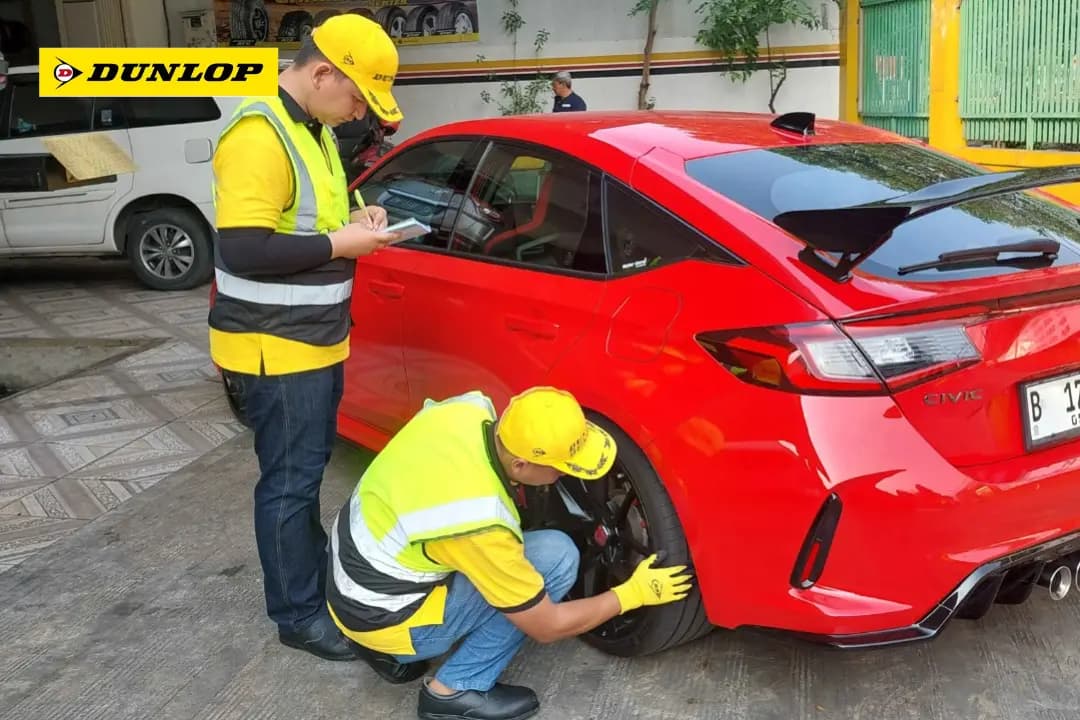
Tires are the only component of the vehicle that directly contacts the road. Despite this, many drivers neglect to check the condition of their tires regularly. Worn-out tires are more likely to lose traction, especially during rainy or wet conditions. This significantly increases the risk of hydroplaning—when tires lose grip due to water accumulation.
Note: Drivemate can read the related article about Hydroplaning here!
5. Perform Regular Vehicle Inspections
Apart from tires, here are other vehicle components that need to be checked regularly to ensure they remain in optimal condition:
- Ensure the brake system functions optimally for driving safety.
- Check all vehicle lights (headlights, turn signals, brakes) to make sure they’re working well.
- Perform regular oil changes and check the radiator water level.
- Ensure wipers and windshield washers are functional for safe and comfortable driving in the rain.
- Regularly check the steering and suspension systems for comfort and stability while driving.
- Make sure the windshield, mirrors, and other windows are not cloudy to maintain visibility.
Maintaining the vehicle thoroughly will improve its reliability and reduce the risk of sudden breakdowns on the road.
6. Avoid Driving When Fatigued or Drowsy
According to a report from Korlantas Polri, as of August 5, 2024, there were 79,220 traffic accidents recorded in Indonesia. The majority were caused by human factors, such as fatigue/drowsiness, inability to drive, and negligence. Additionally, data from IRSMS also shows that 33% of accidents occurred when vehicles were traveling at 40 km/h, which is the safe speed limit on many roads. This indicates that accidents don't only happen at high speeds but also at speeds considered safe, likely due to driver negligence.
One of the most dangerous effects of driving while fatigued is microsleep—when someone falls asleep for a few seconds without realizing it. Although it lasts only a few seconds (usually between 1 to 10 seconds), microsleep can be deadly when it occurs while driving. In that short moment, the vehicle can veer off course, hit objects in front, or go off the road without the driver having a chance to brake or correct the direction.
Microsleep often strikes when the body is extremely tired, especially if the driver forces themselves to stay awake. Early signs include heavy eyes, frequent yawning, difficulty keeping focus, and not remembering the last few kilometers driven.
That’s why it’s essential for drivers to recognize the early signs of fatigue and take immediate action, such as pulling over to rest. Pushing yourself to continue driving when your body needs rest puts not only yourself but other road users at risk.
7. Know and Obey Traffic Signs and Regulations
Traffic signs are not just formalities. They are created to ensure the safety of road users. Often, drivers feel familiar with certain roads and ignore the signs. However, road conditions can change at any time.
Ignoring speed limits, road markings, or traffic lights not only violates the law but also endangers lives.
8. Prepare Yourself and Your Vehicle Before Driving
Driving safety is not only about the driver’s physical and mental condition but also the readiness of the vehicle. Here’s a quick checklist before you drive:
- Check tire pressure and overall tire condition
- Make sure there’s enough fuel
- Bring vehicle documents and your driver’s license
- Wear comfortable clothing and footwear for driving
- Ensure you are in top physical and mental condition before driving—avoid driving when drowsy or when you're not feeling well.
Conclusion
Driving safety on the road is a combination of responsible driving habits and well-maintained vehicles. Don’t wait until an accident occurs to realize the importance of wearing a seatbelt, maintaining a safe distance, or checking your tires. Make safety your top priority every time you get behind the wheel.
As a key part of your safety system, choosing quality tires is an investment in long-term security. Dunlop offers a variety of the best tires designed for different road types and driver needs in Indonesia.
From comfort, high grip, to optimal performance in rainy conditions—Dunlop is ready to keep your journey safe and comfortable.
Visit https://www.dunlop.co.id and find the right tires for your vehicle. Head to your nearest Dunlop Shop today and get quality tires to accompany your travels now. Let’s Start Your #UnlimitedJourney with Dunlop!